Blog
Wooden Study Table with Storage: Best Designs, Features and Buying Guide

A well-designed study space can make everyday learning, reading, and working from home more comfortable. Whether you are setting up a dedicated study corner for your child, preparing a workspace for college, or creating a compact home office, choosing the right furniture is an important decision. A wooden study table with storage offers a practical way to combine a comfortable working surface with organized space for books, stationery, documents, and electronic accessories.
With several designs available, finding a study table that suits your room, budget, and daily routine can feel overwhelming. Some people prefer a simple wooden desk with drawers, while others need a large study table with shelves, cabinets, and additional storage compartments. The ideal option depends on how you use the table and how much space you have available.
At Gadwal Furniture, the focus is on helping homeowners make informed furniture choices that balance functionality, appearance, and everyday usability. In this guide, we explore the best wooden study table designs with storage, essential features to consider, suitable materials, space-saving ideas, and practical buying tips to help you choose the right option for your home.
What Is a Wooden Study Table with Storage?
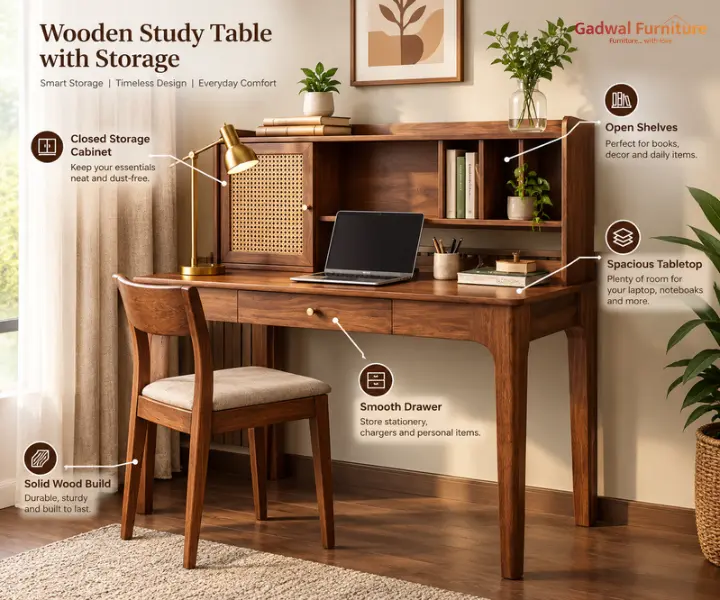
A wooden study table with storage is a desk designed with additional compartments that help keep everyday essentials organized. Depending on its design, it may include drawers, open shelves, side cabinets, book racks, or overhead storage.
Unlike a basic desk, a study table with storage allows you to keep important items within easy reach without occupying the entire tabletop. You can store textbooks, notebooks, pens, chargers, files, and other accessories in designated spaces.
Wooden study tables are popular because they complement different interior styles, from traditional Indian homes to contemporary apartments. Their natural appearance can create a warm and welcoming workspace while offering practical functionality for daily use.
A suitable wooden study desk can be used for:
- Schoolwork and homework
- College studies and competitive exam preparation
- Reading and writing
- Laptop and desktop computer work
- Work-from-home activities
- Creative hobbies and personal projects
Before choosing a design, consider who will use the table, what items need to be stored, and how much room is available.
Best Wooden Study Table with Storage Designs for Modern Homes
The best study table design is not necessarily the largest or most expensive one. It is the design that provides enough working space, keeps your essentials organized, and fits naturally into your room.
Here are some popular options to consider.
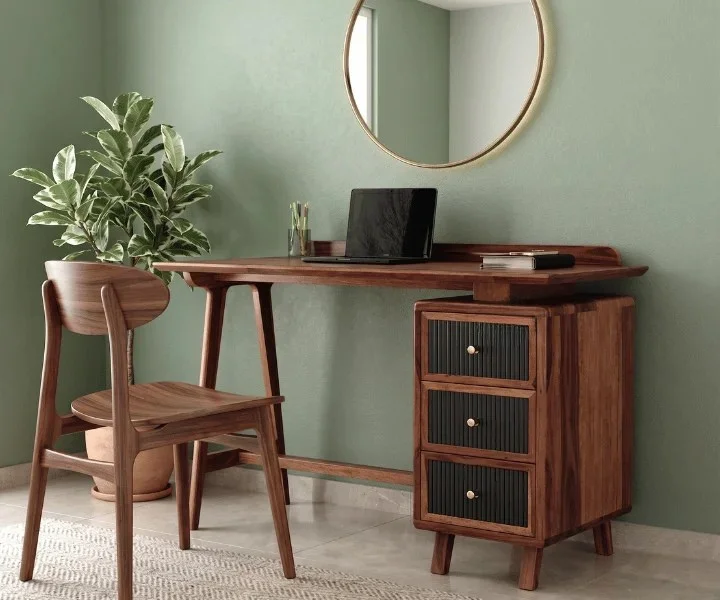
1. Wooden Study Table with Drawers
A wooden study table with drawers is a practical choice for students, professionals, and anyone who prefers a neat workspace.
Drawers provide concealed storage for small items that can otherwise make the tabletop look untidy. You can use them for stationery, notebooks, calculators, chargers, personal documents, and other frequently used accessories.
This design works well in bedrooms, study rooms, and home offices. A simple rectangular table with two or three drawers can provide a balanced combination of working space and storage without making the furniture look bulky.
Best for: Students, everyday home use, and people who prefer organized storage.
Buying tip: Check the drawer depth, handle quality, opening mechanism, and ease of access before purchasing.
Gulliver Sheesham Wood Study Table with Three Drawers
2. Wooden Study Table with Bookshelves
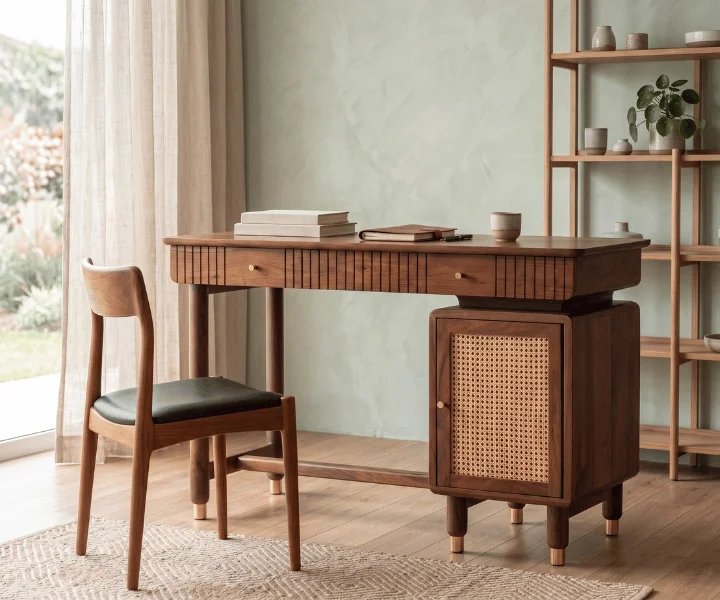
If you own several books or reference materials, a wooden study table with bookshelves can be a useful addition to your study area.
The shelves may be positioned above the tabletop, beside the desk, or underneath it. This arrangement allows you to keep frequently used books close by while using the remaining space for writing or computer work.
An integrated bookshelf can also reduce the need for a separate bookcase, which is particularly helpful in smaller rooms.
Open shelving offers quick access to books, while a combination of open shelves and closed cabinets provides greater flexibility.
Best for: Students, readers, teachers, and people with extensive study materials.
Buying tip: Consider the height and depth of the shelves, especially if you need to store large textbooks, folders, or reference books.
Sarah Sheesham Wood Study Table with Storage & Cane Cabinet

3. Solid Wood Study Table with Storage
A solid wood study table with storage is worth considering if durability and natural wood appearance are important to you.
Depending on the wood species, construction, and finish, solid wood furniture can provide a sturdy structure and a distinctive grain pattern. Sheesham wood is one option for buyers who appreciate the rich grain and warm appearance of Indian hardwood furniture.
A solid wood study desk may feature drawers, cabinets, a bookshelf, or a combination of storage options. Natural wood tones can work particularly well with neutral walls, wooden beds, and other bedroom furniture.
However, solid wood products can differ considerably in weight, price, construction, and maintenance requirements. Always check the material specifications rather than assuming every wooden table is made entirely from solid wood.
Best for: Buyers who prioritize natural wood character, sturdy construction, and long-term furniture use.
Buying tip: Confirm the wood type, finish, construction details, and care instructions before ordering.
4. Compact Wooden Study Table for Small Rooms
A compact wooden study table is ideal when you need a dedicated workspace but have limited floor space.
These tables usually feature a streamlined design, a practical tabletop, and a limited number of drawers or shelves. Their smaller footprint can make them suitable for apartment bedrooms, student rooms, and multipurpose spaces.
Some compact models use vertical shelving to provide storage without increasing the desk’s width. Others include a narrow drawer unit beneath the tabletop.
When selecting a compact design, avoid focusing on dimensions alone. The table must still provide enough room for your laptop or books, writing materials, and comfortable arm movement.
Best for: Small bedrooms, rented apartments, and compact study corners.
Buying tip: Measure the available space and leave sufficient room for the chair to slide back comfortably.
Kalam Modern Designer Sheesham Wood Study Table
5. Wooden Study Table with Cabinet Storage
A study table with cabinet storage is useful when you need more than a few small drawers.
Cabinets can accommodate files, notebooks, stationery boxes, office supplies, and other items that you do not need to access constantly. Closed storage also helps create a cleaner appearance by keeping clutter out of sight.
Depending on the design, the cabinet may be positioned on one side of the desk or beneath the tabletop. Before choosing a model, consider whether the cabinet door can open fully without hitting a bed, wall, or other furniture.
Best for: Work-from-home professionals, older students, and people who need extra storage.
Buying tip: Check the internal cabinet dimensions and make sure the shelves can accommodate the items you plan to store.
Rivik Sheesham Wood Study Tables
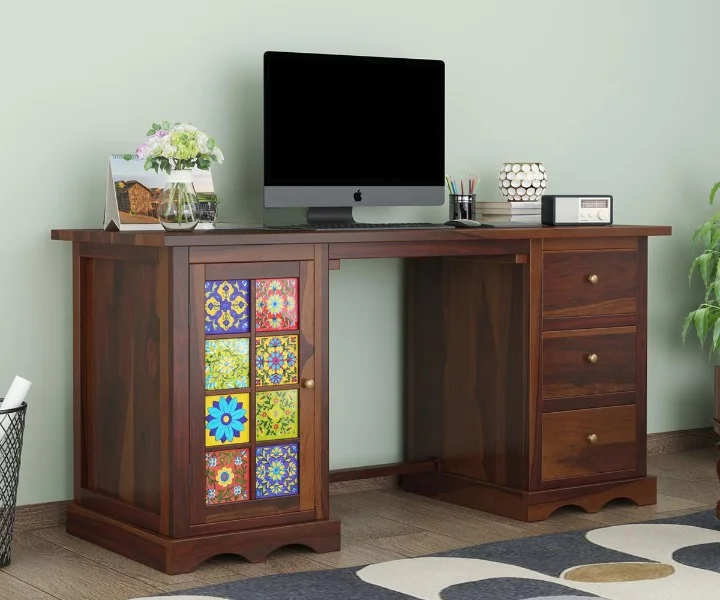
6. Modern Minimalist Wooden Study Table
Minimalist study tables focus on clean lines, simple shapes, and practical functionality.
These designs often use a straightforward tabletop, slim legs, and subtle storage features. Their uncluttered appearance makes them easy to incorporate into modern interiors without overwhelming the room.
A minimalist table can be especially useful when you prefer to keep only essential items on your desk. You can add separate organizers, a small bookshelf, or a desk lamp to customize the setup.
Natural wood finishes create a warm look, while darker finishes can complement contemporary furniture and neutral colour schemes.
Best for: Modern bedrooms, minimalist interiors, and light home-office setups.
Buying tip: Check the stability of the frame and the available storage before choosing a design based solely on appearance.
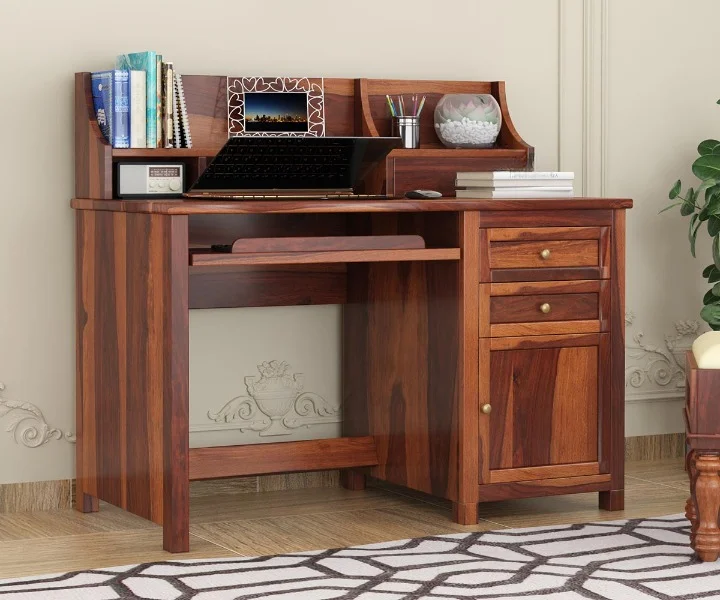
7. Wooden Study Table with Hutch
A hutch-style study table includes additional shelving or compartments above the main working surface.
This design makes use of vertical space and can provide convenient storage for books, files, decorative items, and study accessories. It can be particularly useful when there is limited room for separate storage furniture.
However, a hutch requires enough wall height and sufficient clearance around the desk. It may also make a compact room feel visually crowded if the furniture is too large for the available space.
Best for: Dedicated study rooms, students with many books, and home offices that need vertical storage.
Buying tip: Measure the total height, not just the tabletop height, and check whether the upper shelves interfere with windows or wall-mounted fixtures.
8. L-Shaped Wooden Study Table with Storage
An L-shaped study table provides two connected working surfaces, creating separate areas for different activities.
For example, one side can be used for a laptop or monitor, while the other provides room for writing, reading, or organizing documents. Storage drawers and shelves can make the layout even more practical.
This design generally requires more floor space than a compact rectangular desk. It works best in a dedicated study room or a larger bedroom where the corner arrangement does not obstruct movement.
Best for: Professionals, students with multiple devices, and people who need an expansive workspace.
Buying tip: Confirm the orientation of the L-shaped desk and measure both sides carefully before ordering.
Essential Features to Look for in a Study Table with Storage
A study table should support your daily activities without creating unnecessary clutter. Before making a purchase, evaluate the following features.
1. Comfortable Table Height
The height of the table affects how comfortably you can sit, write, and use a computer.
Ideally, the tabletop should allow you to sit with relaxed shoulders and your elbows comfortably positioned while working. Your feet should rest flat on the floor or on a suitable footrest.
If the table is intended for a growing child, consider how long its dimensions are likely to remain suitable.
2. Sufficient Tabletop Space
Think about what you normally place on your desk.
A student may need room for open textbooks, notebooks, and stationery. A professional may need space for a laptop, monitor, keyboard, and documents.
Choose a tabletop that accommodates your usual activities without forcing everything into a crowded arrangement. Also consider the depth of the desk if you plan to use a monitor.
3. Practical Storage Compartments
The number of drawers is less important than how effectively the storage meets your needs.
Small drawers are suitable for pens, clips, and accessories, while deeper drawers may accommodate notebooks and files. Shelves are useful for frequently used books, and cabinets can store bulkier supplies.
Choose a combination that matches your routine instead of paying for storage features you are unlikely to use.
4. Stable Construction
A study table should remain stable during writing, typing, and other everyday activities.
Look for a well-supported frame, properly fitted joints, and a tabletop that does not wobble under normal use. Drawer runners, hinges, handles, and shelf supports also deserve attention.
For a wooden table, ask about the construction material and whether the product uses solid wood, engineered wood, or a combination.
5. Easy-to-Maintain Finish
The finish influences both the appearance and maintenance of the table.
A suitable finish can help protect the surface from routine wear, although no finish makes wood completely immune to scratches, spills, or moisture. Follow the manufacturer’s care instructions to maintain the appearance of the furniture.
For everyday cleaning, use a soft cloth and avoid leaving standing water on the tabletop.
6. Suitable Design and Colour
Your study table should complement the other furniture in the room.
Natural wood finishes can create a warm, traditional appearance. Lighter finishes may help a small room feel visually open, while darker finishes can add contrast and a more formal look.
Choose a colour that works with your flooring, walls, bed, wardrobe, and other furniture rather than selecting the table in isolation.
Which Wood Is Best for a Study Table?
The right material depends on your budget, design preferences, expected use, and maintenance requirements.
Sheesham Wood
Sheesham wood is valued for its distinctive grain, warm brown tones, and use in Indian wooden furniture. A well-constructed Sheesham study table can be an attractive option for buyers who prefer natural hardwood furniture.
The grain and colour vary between pieces, which gives natural wood furniture its individual character. The table’s actual durability also depends on the quality of the wood, construction, joinery, and finish.
Other Solid Woods
Other solid woods may also be used for study tables, depending on availability and the manufacturer’s product range.
Different species vary in hardness, weight, grain, colour, cost, and response to changes in humidity. Compare the specifications of individual products rather than assuming all solid wood tables perform identically.
Engineered Wood
Engineered wood products are manufactured from wood fibres, particles, or veneers bonded together. Depending on the type and construction, they can offer a practical option for desks with contemporary designs.
Their moisture resistance, load capacity, and durability depend on the specific material, edge protection, and overall build quality. Ask for clear product specifications before purchasing.
Which should you choose? If you value natural grain and traditional furniture styling, consider a solid wood study table. If your priorities include a particular budget or a specific contemporary design, compare engineered wood options as well.
How to Choose the Right Study Table for Your Room
Even a well-designed desk may not be the right choice if it does not fit your room or routine. Use these steps to narrow down your options.
Step 1: Measure the Available Space
Measure the width and depth of the area where you plan to place the table. Include enough room for the chair, leg movement, and access to nearby cupboards or doors.
For a corner desk, measure both walls. If the table includes a hutch, check the available height as well.
Step 2: Decide What You Need to Store
Make a quick list of the items you use regularly.
If you mostly use a laptop and a notebook, a compact table with one or two drawers may be sufficient. If you own many textbooks or need to organize office files, a table with shelves and cabinets may be more suitable.
Step 3: Match the Table to Its User
A desk for a young child may have different size and safety requirements from one used by an adult.
Choose dimensions that support comfortable sitting and consider rounded edges, stability, and accessible storage where appropriate. For adults who work for long periods, prioritize a comfortable chair and a well-planned workstation.
Step 4: Set a Realistic Budget
Decide how much you want to spend before comparing designs.
The overall cost can depend on the wood type, dimensions, storage features, finish, construction, and delivery arrangements. Compare the full specifications and included features rather than choosing a table based on its price alone.
Step 5: Check Product Details
Before ordering online, review the product dimensions, material information, finish, assembly requirements, warranty terms, and delivery conditions.
If anything is unclear, contact the seller for confirmation. Clear product information helps you make a more informed decision and reduces the likelihood of choosing a table that does not suit your needs.
Wooden Study Table with Storage for Different Users
Different users have different requirements, so the most suitable design can vary considerably.
For School Students
A study table for school students should provide enough space for books, notebooks, and stationery. A drawer or a few shelves can help keep everyday supplies organized.
Choose a table that suits the child’s current height and can remain useful as study requirements change.
For College Students
College students may need room for textbooks, laptops, project materials, and exam preparation notes.
A compact wooden study desk with drawers and a bookshelf can be useful when space is limited. If the student uses multiple devices, check that the tabletop offers enough depth and width.
For Work-from-Home Professionals
A home-office desk should accommodate the equipment used during the working day.
Consider monitor placement, keyboard space, cable management, document storage, and chair clearance. A larger table with cabinet storage may be suitable if you regularly work with files and office supplies.
For Shared Bedrooms
When two people share a room, a study table must fit into the existing layout without blocking movement.
A narrow desk, a corner arrangement, or a table with vertical shelving may help make better use of available space. Check the dimensions carefully before combining it with beds, wardrobes, or other large furniture.
How to Organize a Wooden Study Table with Storage
Choosing a table with storage is only the first step. Using the compartments effectively helps maintain an organized workspace.
- Keep daily essentials nearby: Store frequently used pens, notebooks, and chargers in the easiest-to-access drawers.
- Arrange books vertically: Use shelves or bookends to keep frequently used books accessible.
- Separate different items: Assign individual drawers or compartments to stationery, documents, electronics, and personal supplies.
- Keep the tabletop clear: Leave enough space for your current task rather than storing everything on the desk.
- Manage cables: Use suitable cable clips or organizers to prevent charging wires from spreading across the workspace.
- Review storage regularly: Remove unused papers and relocate items that no longer need to remain on the desk.
An organized desk can make it easier to find supplies and maintain a comfortable working area.
Wooden Study Table Maintenance Tips
Proper care helps preserve the appearance of your study table over time.
Clean the Surface Regularly
Remove dust with a soft, dry or slightly damp cloth, following the manufacturer’s instructions. Avoid abrasive scrubbers and harsh cleaning products that may damage the finish.
Protect Against Moisture
Wipe up spills promptly. Do not leave wet cups, damp cloths, or water-filled containers on the tabletop for extended periods.
Avoid Excessive Heat and Sunlight
Prolonged direct sunlight and excessive heat can affect the colour and finish of some wooden furniture. Position the desk away from strong direct sunlight where practical.
Check Drawers and Hardware
Inspect drawer handles, hinges, and runners periodically. If a component becomes loose, tighten or repair it according to the manufacturer’s recommendations.
Avoid Overloading Shelves
Store heavier items only within the product’s specified load limits. Distribute books and accessories sensibly rather than placing excessive weight on one shelf.
With consistent care, a quality study table can remain a useful part of your home for years, although its lifespan will depend on the material, construction, and conditions of use.
Common Mistakes to Avoid When Buying a Study Table
Before finalizing your purchase, avoid these common mistakes:
- Ignoring measurements: A table that looks compact online may be too large for your room.
- Choosing appearance over function: An attractive design may not provide the storage or working space you actually need.
- Overlooking material specifications: Confirm whether the table is made from solid wood, engineered wood, or a combination.
- Buying unnecessary storage: Too many drawers and cabinets can increase cost and occupy valuable space.
- Ignoring chair compatibility: The table and chair should work together to support a comfortable sitting position.
- Skipping delivery details: Check the delivery area, assembly requirements, return policy, and warranty before placing an order.
- Assuming every wooden table is maintenance-free: Wood and wood-based materials require appropriate care.
A little planning before purchasing can help you find a table that suits your space, budget, and everyday requirements.
Why Consider Gadwal Furniture for Your Wooden Study Table?
When choosing furniture for your home, it is important to compare design, construction, material, and practicality rather than focusing on appearance alone.
Gadwal Furniture provides an online destination for exploring wooden furniture options for Indian homes. If you are planning a new study area, consider the available designs alongside your storage requirements, preferred finish, and room dimensions.
Before choosing any product, review its listed specifications and confirm the details that matter to you, including material, size, delivery, assembly, and warranty terms.
Explore the available furniture collection at Gadwal Furniture and choose pieces that complement your home’s layout and everyday needs.
Frequently Asked Questions
1. Which wooden study table with storage is best?
The best option depends on your available space and storage needs. A table with drawers suits everyday stationery, a bookshelf design works well for students with many books, and a cabinet-style desk is useful for files and larger supplies.
2. Is a solid wood study table worth buying?
A solid wood study table can be worth considering if you value natural grain, sturdy construction, and traditional wooden furniture. Check the wood species, workmanship, finish, price, and care requirements before purchasing.
3. Is Sheesham wood good for a study table?
Sheesham wood is a popular choice for wooden furniture because of its distinctive grain and warm appearance. The overall quality of a study table also depends on the wood’s condition, construction, joinery, and finish.
4. What size study table is suitable for a bedroom?
The right size depends on the available floor space, the user’s height, and the activities performed at the desk. Measure the intended area and allow enough clearance for the chair, legs, doors, and nearby furniture before ordering.
5. Are study tables with drawers better than tables with shelves?
Neither design is universally better. Drawers are useful for small accessories and items you want to keep out of sight, while shelves provide easy access to books and frequently used materials. Choose according to your storage habits.
6. Which study table is best for a small room?
A compact wooden study table with a streamlined frame, limited drawers, or vertical shelving can be suitable for a small room. Measure the space carefully and ensure that the chair can move comfortably.
7. How do I maintain a wooden study table?
Dust the surface regularly, clean spills promptly, avoid harsh chemicals, and protect the table from excessive moisture and direct sunlight. Follow the manufacturer’s care instructions for the specific material and finish.
8. Can a wooden study table be used as a home-office desk?
Yes. A suitably sized wooden study table can serve as a home-office desk if it accommodates your laptop or monitor, keyboard, documents, and other work essentials. Check its dimensions, stability, storage, and chair compatibility.
9. What should I check before buying a study table online?
Review the dimensions, material, finish, storage layout, product images, assembly instructions, delivery terms, warranty, and return policy. Contact the seller if any important product detail is unclear.
10. Is a study table with storage suitable for adults and children?
Yes, but the design and dimensions should suit the intended user. Children need an appropriately sized desk, while adults may require more working surface, deeper storage, or additional room for computer equipment.
For more info, contact: support@gadwalfurniture.com
Follow our Instagram : Gadwal Furniture