


Blog
Is Solid Wood Furniture Sustainable? What Indian Buyers Should Know

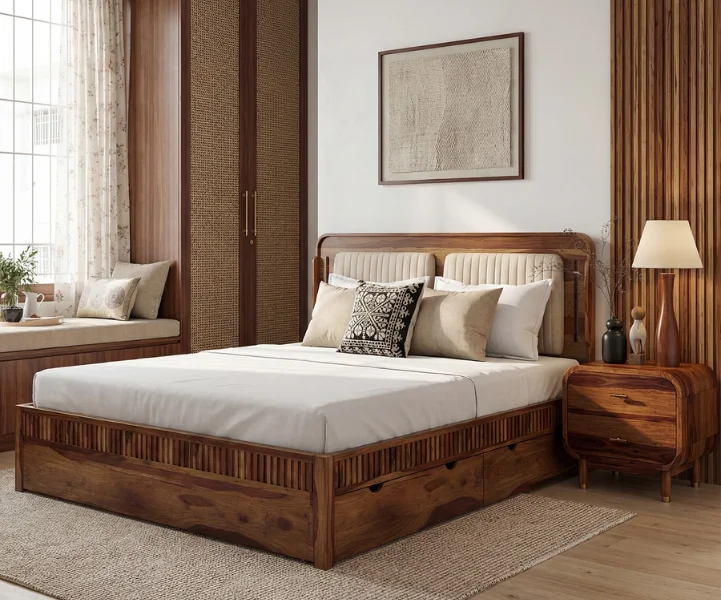
“Sustainable” gets stamped on everything these days, shampoo bottles, sneakers, even toothpaste. So when you see it on a furniture listing, it’s fair to raise an eyebrow. Is solid wood furniture actually better for the planet, or is it just a nicer story to tell while you’re paying more for a dining table?
Here’s the honest answer: yes, solid wood is genuinely more sustainable than most of the alternatives on the market, but not automatically, and not for the reasons every brand claims. Let’s get into what actually matters.
First, What Are We Comparing Solid Wood Against?
When people talk about “sustainable furniture,” they’re usually drawing a line between two categories:
Engineered wood — MDF, particleboard, plywood, and laminate boards. These are made by gluing together wood fibres, chips, or veneers using resin adhesives, often formaldehyde-based.
Solid wood — furniture cut and joined from actual timber, with no composite core.
Engineered wood isn’t automatically evil. It’s cheaper, and for some low-stress applications it’s fine. But when it comes to long-term sustainability, the two materials play very different games.
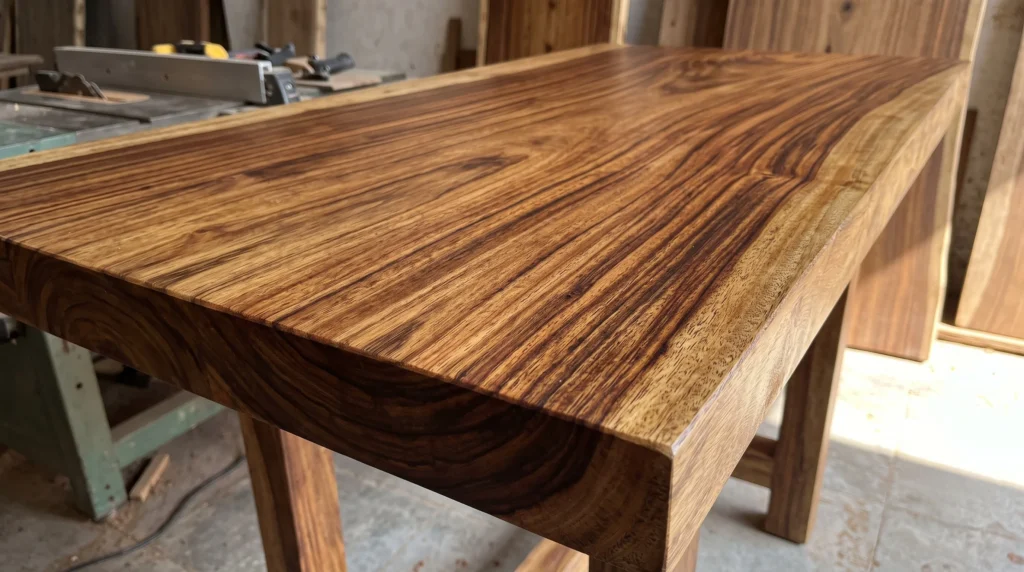
Why Solid Wood Wins on Lifespan (And Why That’s the Real Metric)
The single biggest factor in furniture sustainability isn’t what a piece is made of, it’s how long it stays out of a landfill.
MDF and particleboard swell and disintegrate with moisture, chip at the edges, and can’t really be repaired once damaged. Most engineered-wood furniture gets replaced within 5-8 years. Solid wood, joined properly, can last 25-50 years and gets passed down rather than thrown out.
That difference compounds. A family that buys one solid Sheesham bed frame in their twenties might still be using it in their fifties. A family that buys MDF furniture on the same timeline could go through the same piece four or five times over, four or five rounds of manufacturing, packaging, and transport emissions, and four or five trips to the landfill.
If you’re only optimising for one thing when you buy furniture, optimise for this.
Sheesham Specifically: Why It’s a Reasonable Choice for India
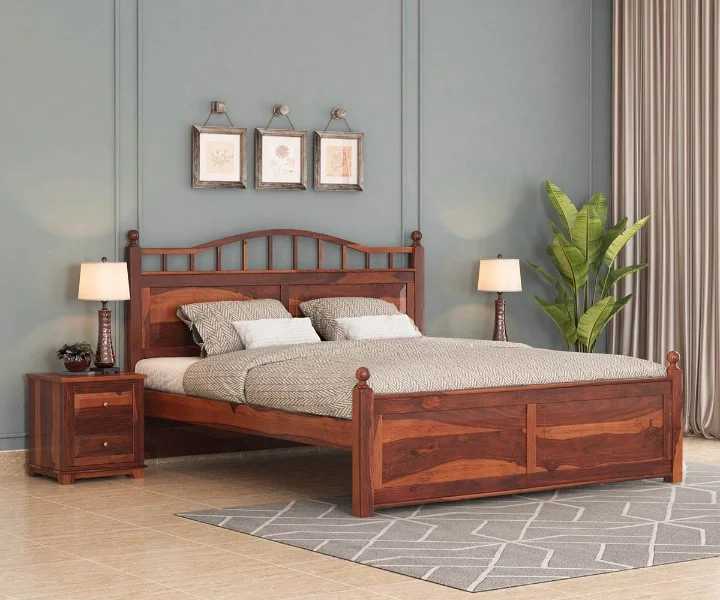
Not all solid wood is equal, either. Slow-growing hardwoods logged from shrinking forests aren’t a sustainable pick just because they’re solid. This is where Indian buyers actually have an advantage most Western sustainability guides don’t mention.
Sheesham (Indian rosewood) is fast-growing and widely cultivated across India, largely on agricultural and farmed land rather than old-growth forest. It’s not on any endangered species list, and its supply doesn’t depend on deforestation the way some tropical hardwoods do. It’s also naturally dense and termite-resistant, which matters more than it sounds, a wood that resists pests and rot needs fewer chemical treatments over its lifetime and simply lasts longer without intervention.
Also Read: Is Solid Sheesham Wood Furniture Really Worth It? Honest Guide
At Gadwal Furniture, every piece is built from 100% solid Sheesham wood, no MDF, no particleboard hidden inside a veneer shell, which is really the baseline requirement for any furniture claiming to be a long-term, low-waste purchase.
The Adhesives and Finish Question Nobody Talks About
Here’s a detail most buying guides skip entirely: what’s holding the piece together and what’s coating it.
Engineered wood relies heavily on synthetic resin adhesives to bind wood particles, and many of these off-gas formaldehyde for years after purchase, which is as much an indoor air quality issue as an environmental one. Solid wood furniture, joined with traditional joinery and natural or low-VOC finishes, sidesteps most of that.
If you’re buying solid wood specifically for sustainability reasons, it’s worth asking what finish is used. A heavy synthetic lacquer defeats some of the purpose. A natural wood finish that lets you see and feel the actual grain is usually the better sign.
Repairability: The Underrated Sustainability Feature
A sofa with an MDF frame that cracks gets thrown out. A solid wood frame with the same crack gets fixed by a local carpenter in an afternoon.
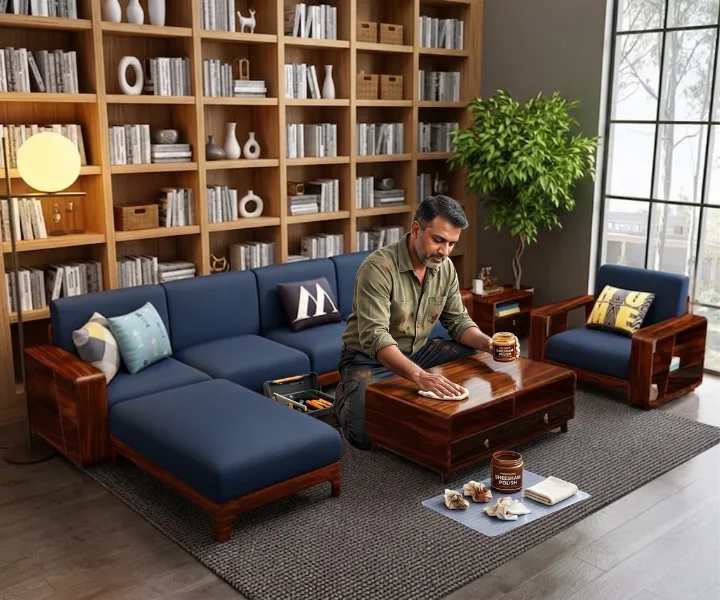
This is arguably the most practical sustainability advantage solid wood has, and it’s rarely mentioned because it’s not as flashy as “eco-friendly materials.” But repairability is what actually keeps furniture out of waste streams long-term. Solid wood can be sanded, refinished, re-polished, and structurally repaired essentially indefinitely. Engineered wood generally can’t.
What to Actually Check Before You Buy (So You’re Not Just Trusting a Label)
“Solid wood” as a phrase gets stretched more than it should. Some listings use it loosely for pieces that are solid wood on visible surfaces but hollow or composite underneath. A few things worth checking before you buy:
- Ask what’s inside, not just what’s visible. A solid wood exterior with an MDF back panel or particleboard drawer base isn’t fully solid wood.
- Check the warranty terms. A brand confident in its wood and joinery will back it with a real structural warranty, Gadwal Furniture backs every piece with a lifetime termite and borer warranty, which only makes commercial sense if the wood is genuinely solid and dense.
- Look at how it’s shipped and sized. Furniture cut to fit your exact space reduces the odds you’ll need to replace it later because it didn’t work in the room. Custom sizing on solid wood pieces is one of the quieter sustainability wins.
- Factory-direct sourcing matters more than it sounds. Fewer middlemen usually means less repackaging, less warehousing, and a clearer line back to where the wood actually came from.
A Few Solid Wood Picks If You’re Buying With This in Mind
If you’re leaning toward solid wood for the long haul, a few collections worth a look:
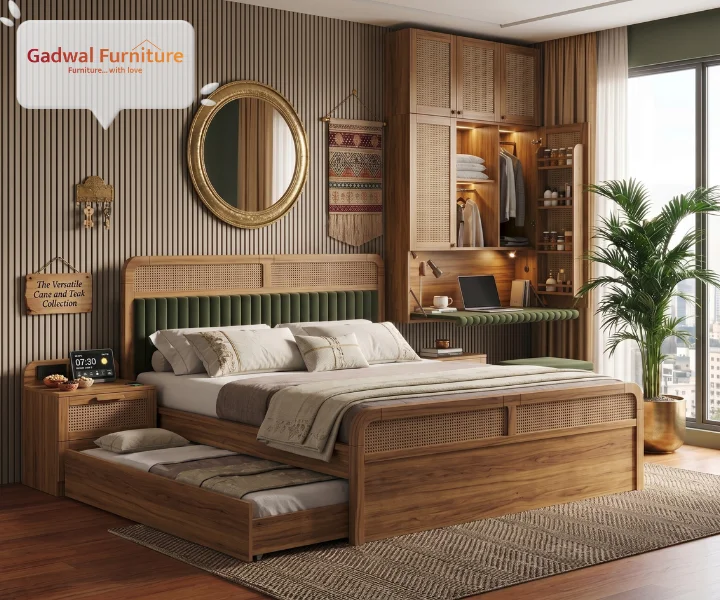
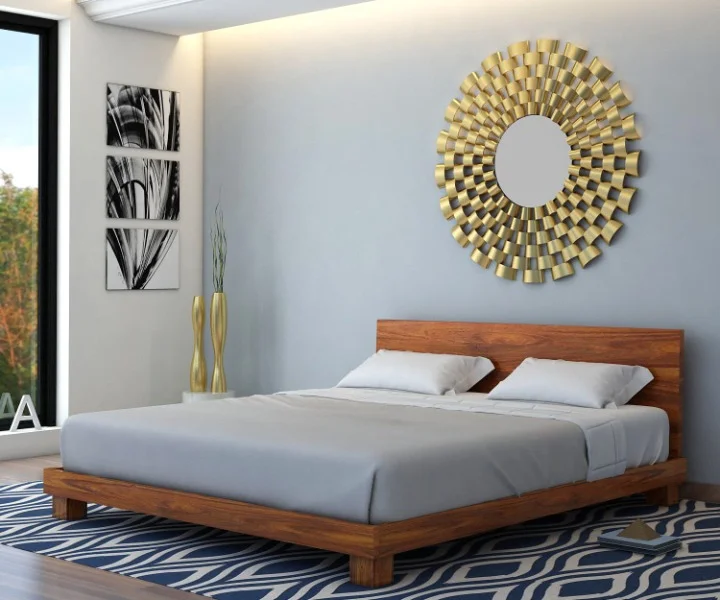
Sheesham Wood Beds — good for anyone replacing an ageing engineered-wood bed frame that’s started to sag or chip. These are built to be re-polished rather than replaced as they age.
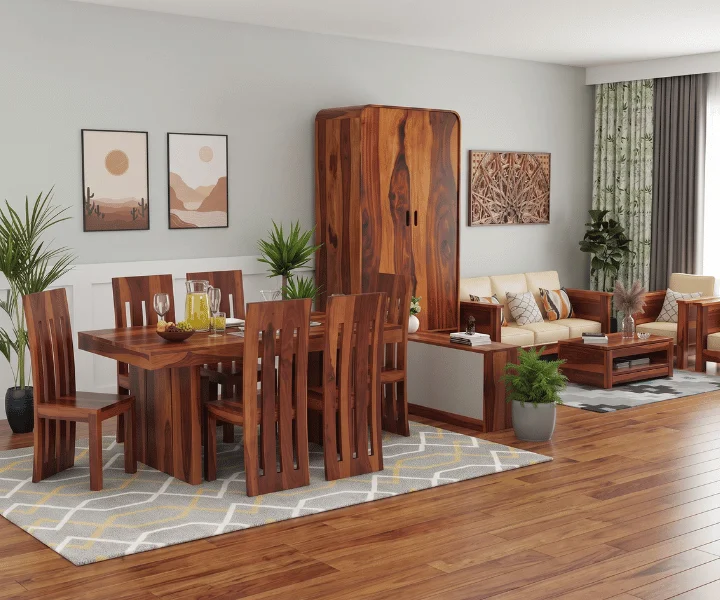
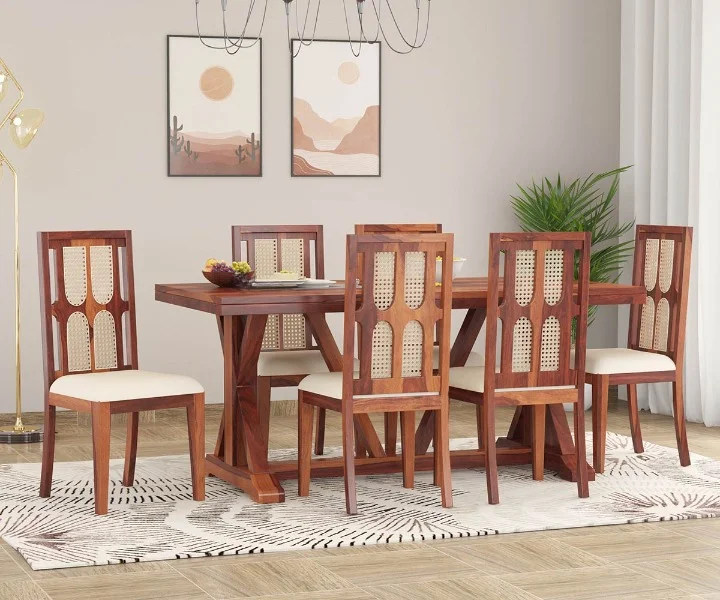
Solid Wood Dining Sets — a sensible pick for families who want one dining table that survives a couple of decades of daily use rather than a series of laminate tables replaced every few years.
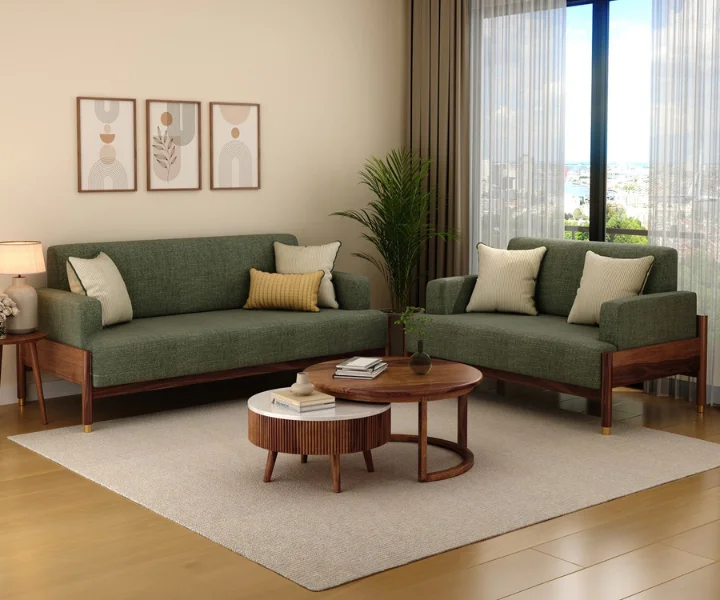
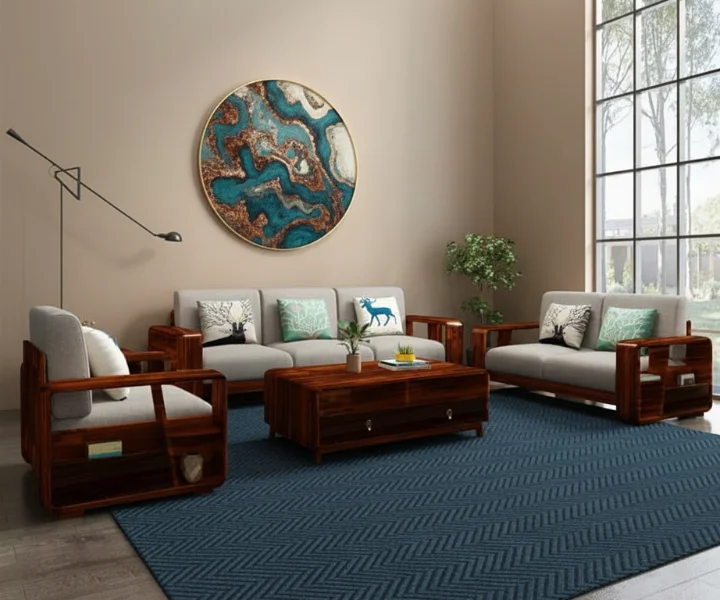
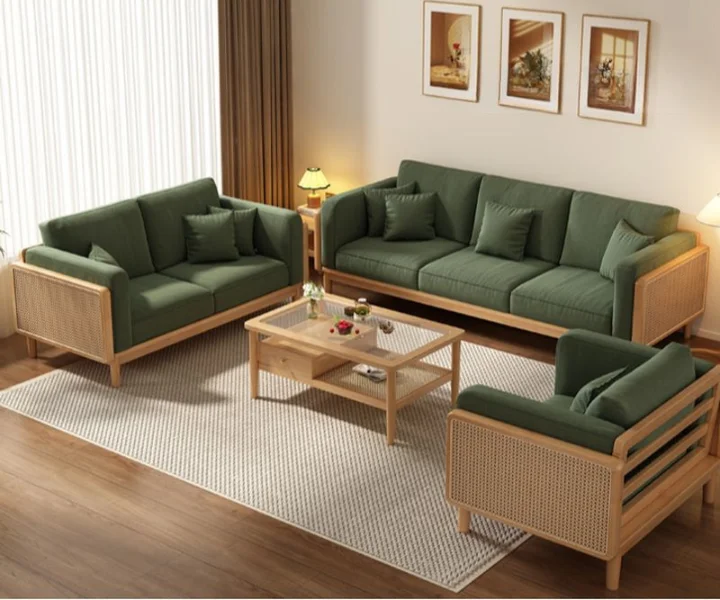
Sofa Collection — for anyone drawn to the natural-material aesthetic beyond wood, this line brings in cane and rattan detailing alongside solid wood frames, without leaning on plastic or synthetic weaving.
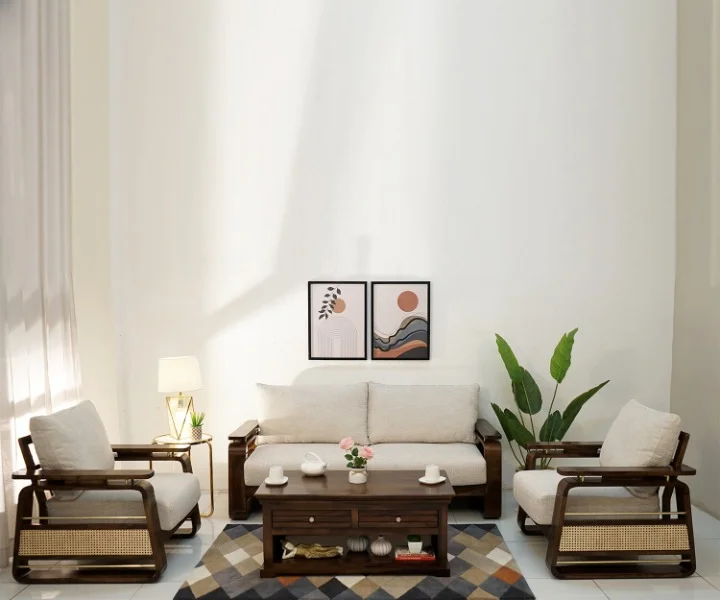
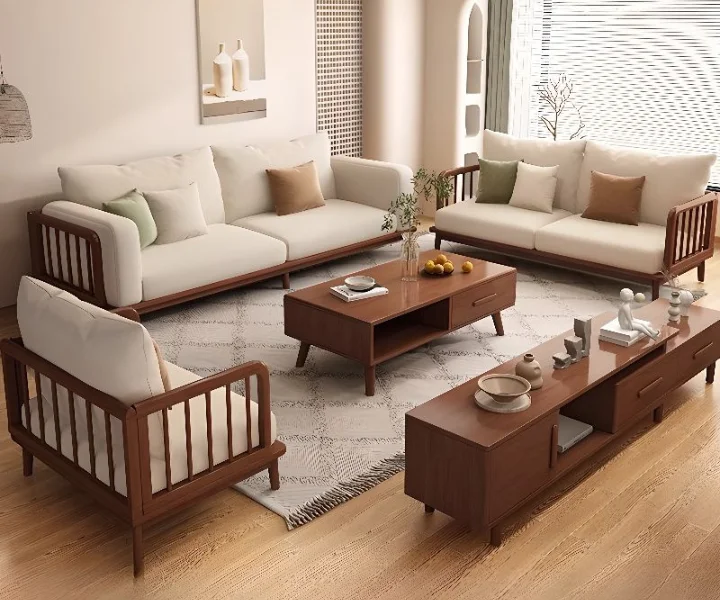
Coffee Tables — a low-commitment way to try solid wood if you’re not ready to furnish an entire room in it yet.
FAQs
Is solid wood furniture actually eco-friendly, or is that just marketing?
It genuinely is more sustainable than engineered wood in most respects — longer lifespan, repairability, and fewer synthetic adhesives — but the specific wood species and sourcing still matter.
Is Sheesham wood sustainable?
Yes. It’s fast-growing, widely farmed across India rather than harvested from old-growth forest, and naturally durable, which reduces the need for chemical treatment over time.
Is MDF or particleboard furniture bad for the environment?
It’s not automatically “bad,” but it has a shorter lifespan, generally isn’t repairable, and relies on resin adhesives that can off-gas formaldehyde. It tends to be replaced far more often than solid wood.
Does solid wood furniture cost more because of sustainability?
The higher upfront cost mostly reflects material and labour, not a sustainability premium. Because solid wood lasts significantly longer and can be repaired instead of replaced, the cost per year of use is often lower than cheaper engineered-wood alternatives.
How can I tell if a “solid wood” listing is actually fully solid wood?
Check whether hidden parts like backs, bases, and drawer bottoms are also solid wood, not just the visible surfaces. A brand offering a real structural or termite warranty is a reasonable signal of confidence in the material.
Is solid wood furniture better for indoor air quality?
Generally yes, especially with natural or low-VOC finishes, since it avoids the formaldehyde-based adhesives common in engineered wood products.
For more info, contact: support@gadwalfurniture.com
Follow our Instagram : Gadwal Furniture


3 thoughts on “Is Solid Wood Furniture Sustainable? What Indian Buyers Should Know”