Blog
Solid Wood Furniture Worth Buying Even If You’re Renting

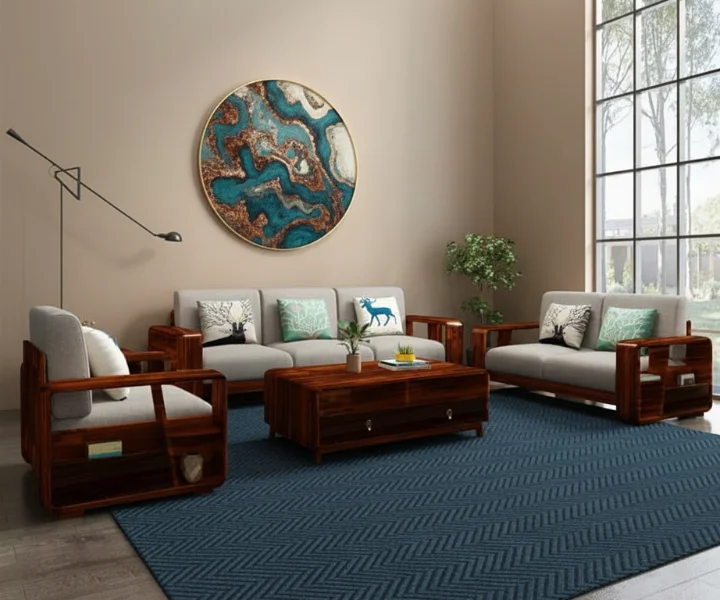
There’s a piece of advice almost every renter hears at some point: don’t buy good furniture, you’ll just be moving it again soon. And on paper, it sounds sensible. Why spend on something nice if you might be packing it into a truck in eighteen months?
Except that logic falls apart the moment you actually live it. Cheap furniture doesn’t survive moves well. It survives one, maybe two, and by the third relocation you’re either throwing it out or paying someone to haul away something that’s basically firewood at that point. Meanwhile you’ve spent almost as much replacing it three times as you would have spent once on something solid.
Renting changes what you should buy, it doesn’t mean you should buy badly.
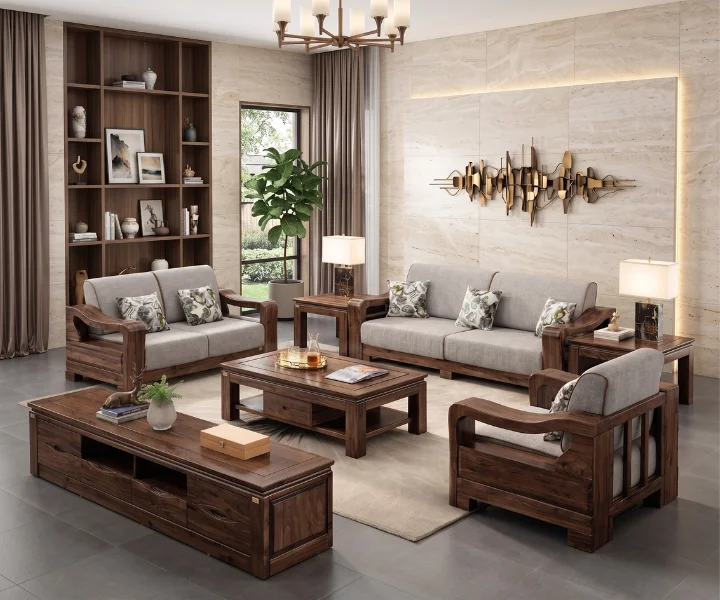
The Real Question Isn’t “Should I Spend More,” It’s “What Actually Survives Moving”
This is the part most advice skips. When you’re renting and likely to move again, the furniture that makes sense isn’t the cheapest, it’s the furniture that can be taken apart, moved, and put back together without falling apart in the process.
That’s exactly where solid wood has an advantage most people don’t think about. It’s not just that it looks better or lasts longer sitting in one place, it’s that a well-built solid wood piece can go through several disassemble-move-reassemble cycles and still hold its joints, its shape, and its finish. Particleboard and MDF furniture, on the other hand, are often held together with fittings that weaken every time you take them apart. Move that kind of furniture twice and you’ll see the difference.
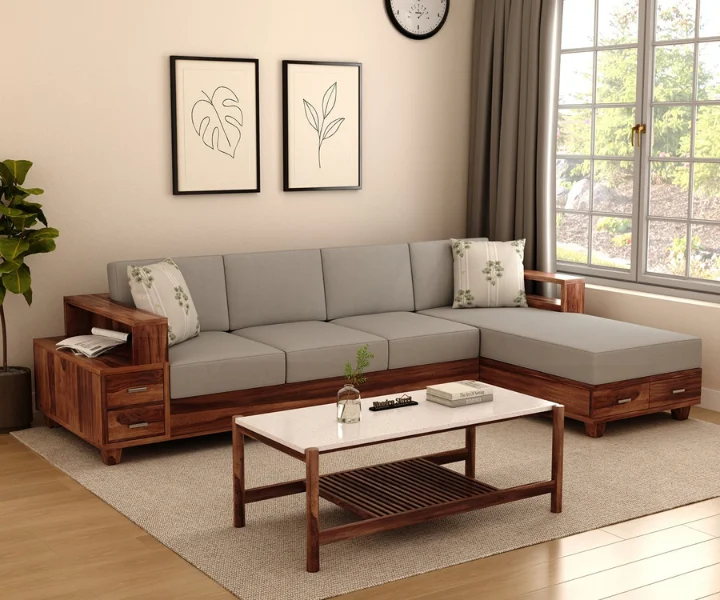
Where It’s Genuinely Worth Spending More
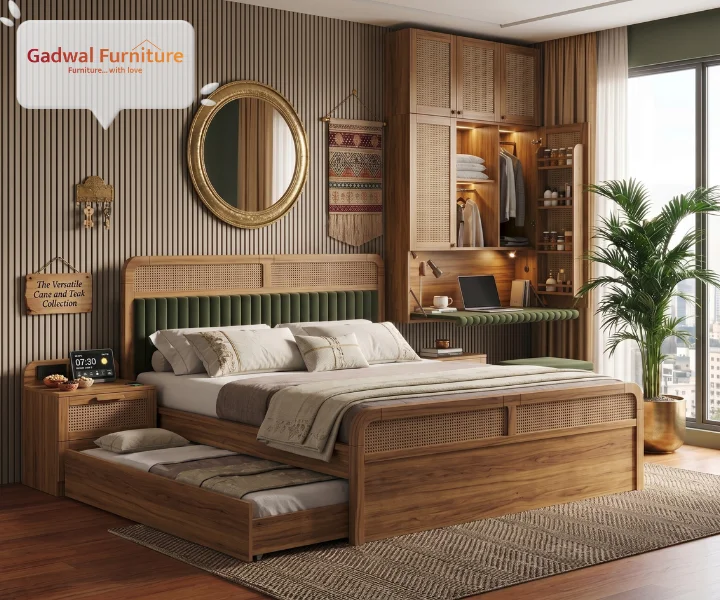
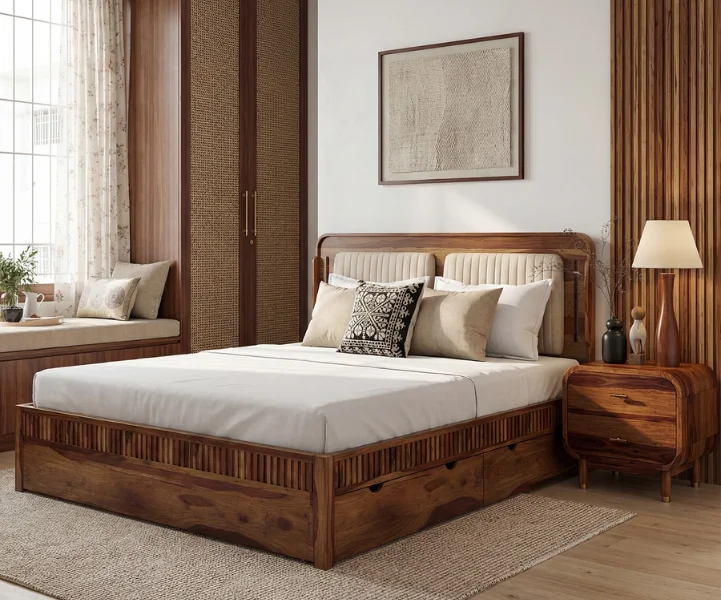
Your bed. You sleep on it every night regardless of which flat you’re in, and a solid wood bed frame holds up to repeated moving far better than a cheaper one that starts creaking or wobbling within a year.
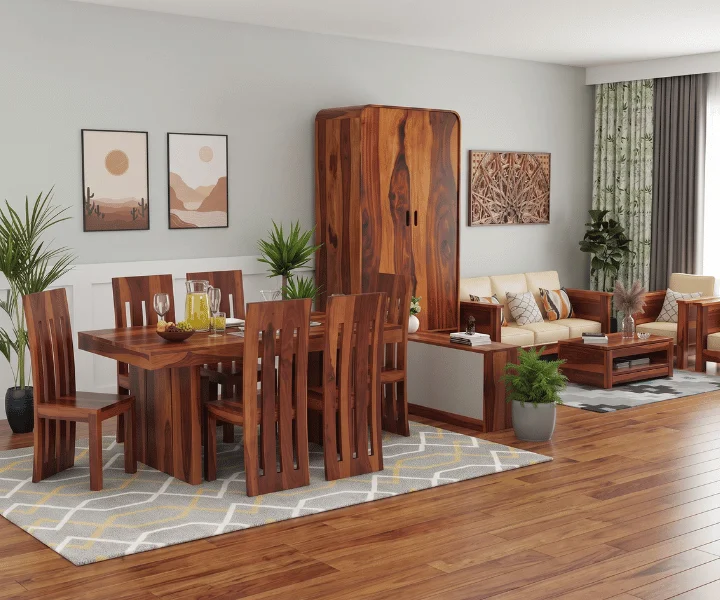
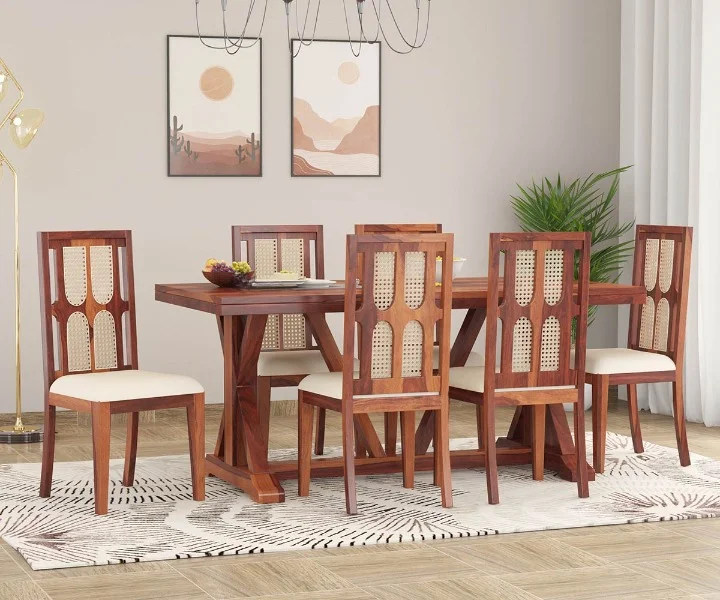
A dining table. Whatever rental you’re in, you’ll eat at it, work at it, and probably pile mail and keys on it daily. Solid wood tops handle that kind of constant use, and the inevitable scrapes and spills, much better than a veneer or laminate surface.
A freestanding wardrobe. Skip anything built into a wall, since that belongs to the landlord, not you. But a solid wood wardrobe you can take with you is one of the few large pieces that actually retains its condition and usefulness across multiple homes.
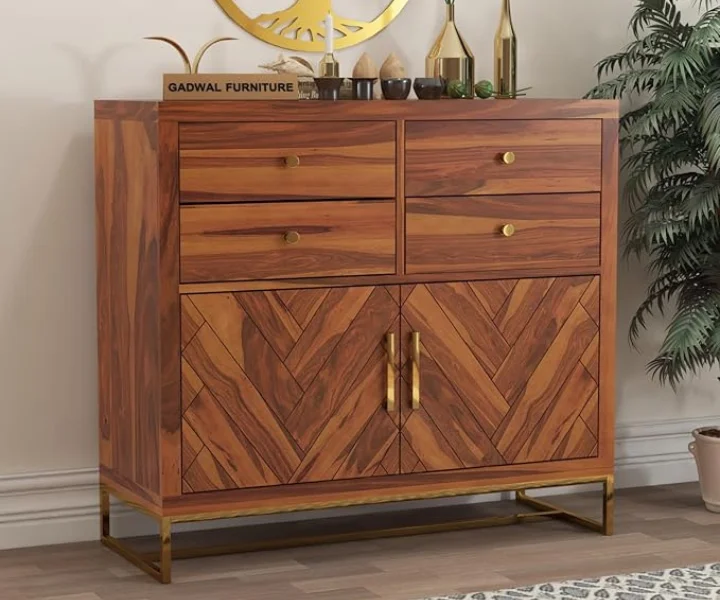
Shelving and sideboards. These tend to get rearranged constantly as you figure out a new layout in each new place, and they need to hold up to that kind of repeated repositioning without loosening or chipping.

Where You Can Save Instead
Not everything deserves the same investment.
Curtains and rugs — cheap to swap out, rarely worth spending big on for a home you don’t own long-term
Anything custom-fit to one room, a shelf built for this exact alcove won’t fit the next flat’s layout
Trend pieces, if it’s something you’ll likely want to replace stylistically in a couple of years anyway, don’t buy the expensive version
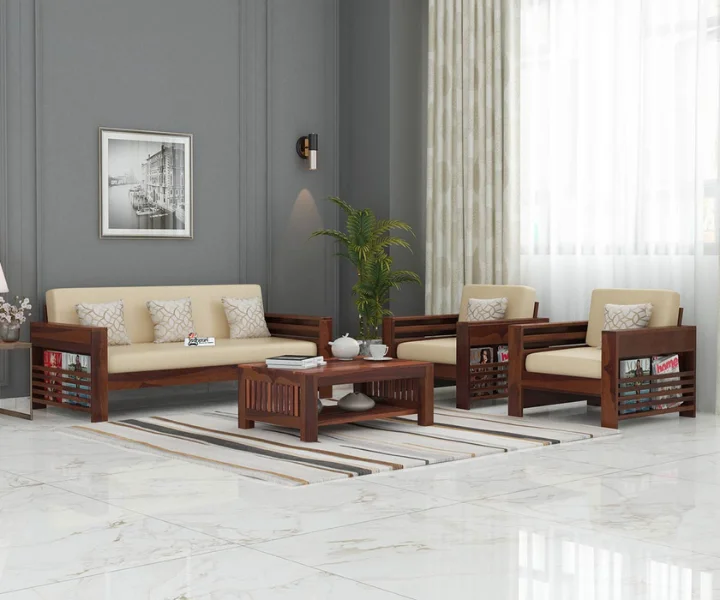
Doing the Actual Math
Say a budget bed frame costs a third of what a good solid wood one does. Sounds like a clear win for the cheap option, until you factor in that it probably needs replacing every 2-3 years, while the solid wood one is still fine after ten. Over that same stretch, you’d have bought the cheap bed three or four times. Add up those repeat purchases and you’re often spending more overall than you would have on the one solid piece, and that’s before counting the hassle of finding, buying, and moving a replacement bed each time.
There’s also a cost people forget: moving itself. Movers typically charge based on weight and care required, and furniture that’s already fragile is more likely to get damaged, or fall apart entirely, during transit, which means you’re paying to move something you’ll just throw away anyway.
Making It Actually Work as a Renter
- Stick to furniture that disassembles cleanly with standard tools, it’s easier on movers and less likely to get damaged
- Save the screws, bolts, and any assembly sheet in a labeled bag taped to the underside of the piece, so reassembly at the next place isn’t a guessing game
- Steer clear of anything wall-mounted or built-in unless your landlord’s explicitly fine with it
- Prioritize the pieces you’ll use in almost any home, a bed and dining table are safe nearly everywhere; a very specific corner unit might not fit the next layout at all
Frequently Asked Questions
Should renters buy expensive furniture if they might move again soon?
For daily-use pieces like beds, dining tables, and wardrobes, yes, it’s usually worth it. These take the most wear and are the most expensive to keep replacing. For smaller, room-specific, or trend-based items, it’s fine to spend less since they’re cheap to swap out anyway.
What furniture is not worth buying for a rented home?
Skip anything built into the walls or custom-sized for one specific room, along with trend-driven pieces you’re likely to want to change soon. Put your budget toward furniture you’ll use in every home, not just this one.
Can solid wood furniture handle being moved multiple times?
Yes, a well-made solid wood piece can usually be disassembled and reassembled several times without losing structural integrity, as long as it’s packed and carried with basic care. This is one of its biggest advantages over particleboard or MDF furniture, which weakens with repeated moves.
Is it actually cheaper to buy solid wood once instead of budget furniture repeatedly?
Over a four to five year stretch, usually yes. Budget furniture often needs replacing every couple of years, and those repeated costs, plus the risk of damage during each move, tend to add up to more than a single solid wood purchase would have cost.
What should a renter buy first when furnishing a new place?
A bed and a dining table are the safest starting points. They’re used daily in every home, they take the most wear, and they’re exactly where cheap furniture tends to fail the fastest.
For more info, contact: support@gadwalfurniture.com
Follow our Instagram : Gadwal Furniture