Blog
Buying a Study Table for Kids? Watch Out for These Common Mistakes

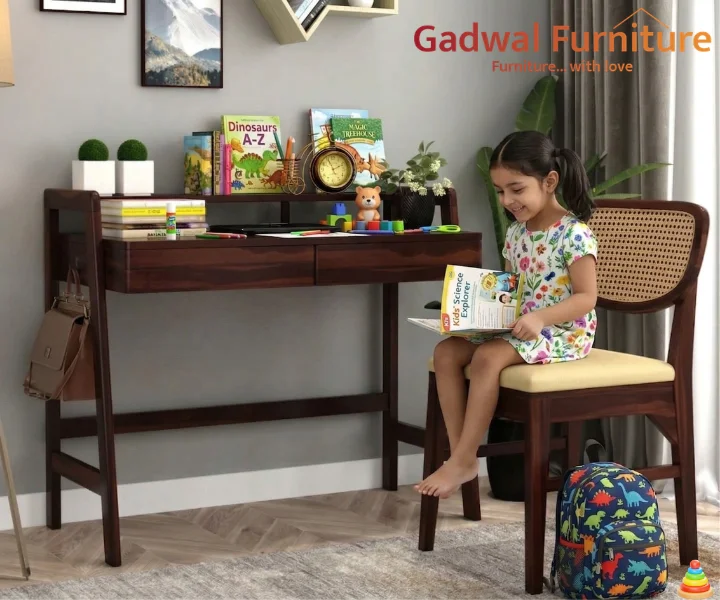
Choosing the right study table for your child may seem like a simple task, but in reality, it plays a huge role in shaping their focus, posture, and learning habits. Many parents invest in a study table for kids with the best intentions, only to realize later that it doesn’t suit their child’s needs.
From picking the wrong size to ignoring ergonomics, small mistakes can lead to discomfort, distraction, and even long-term health issues.
In this guide, we’ll walk you through the most common mistakes parents make while buying a study table for kids, and how you can avoid them to make a smarter, long-lasting choice.
Why Choosing the Right Study Table Matters
A study table is much more than just a piece of furniture, it’s a dedicated learning space that plays a crucial role in shaping your child’s study habits and overall development. The right study table for kids can significantly improve concentration and productivity, while also encouraging discipline and a consistent daily routine. It supports proper posture, which is essential for healthy physical growth, and helps minimize distractions by creating a focused environment. On the other hand, a poorly chosen study table can lead to discomfort, reduced attention span, and a lack of interest in studying, ultimately affecting your child’s learning experience.
1. Ignoring the Right Size and Height
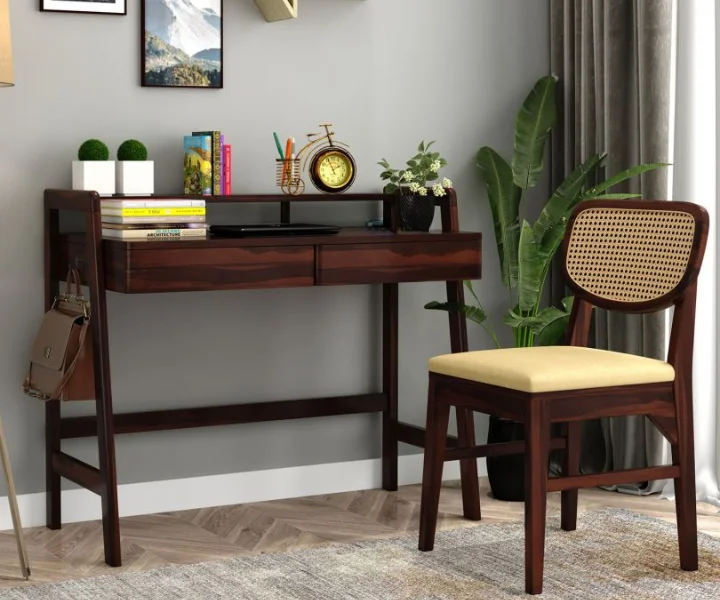
One of the most common mistakes parents make while buying a study table for kids is choosing a design that looks appealing but doesn’t actually fit the child’s size and comfort needs. A study table that is too high or too low can create daily discomfort, leading to back and neck strain, poor posture, and an overall unpleasant study experience. Over time, this not only affects physical health but also reduces a child’s ability to focus and stay engaged. Ensuring the right height and proportion is essential, as a well-fitted study table allows kids to sit comfortably, maintain proper posture, and study for longer periods without fatigue.
What to do instead:
Always choose a study table based on your child’s height and age. Ideally:
- Feet should rest flat on the floor
- Elbows should align comfortably with the tabletop
- The screen/book should be at eye level
2. Choosing Style Over Functionality
It’s tempting to go for trendy or aesthetic designs. However, many stylish tables lack practicality, with common issues including no storage space, limited surface area, and poor build quality.
What to do instead:
Look for a balance between design and usability. A good study table for kids should include:
- Enough surface area for books and devices
- Storage options like drawers or shelves
- A clutter-free layout
3. Not Considering Storage Needs
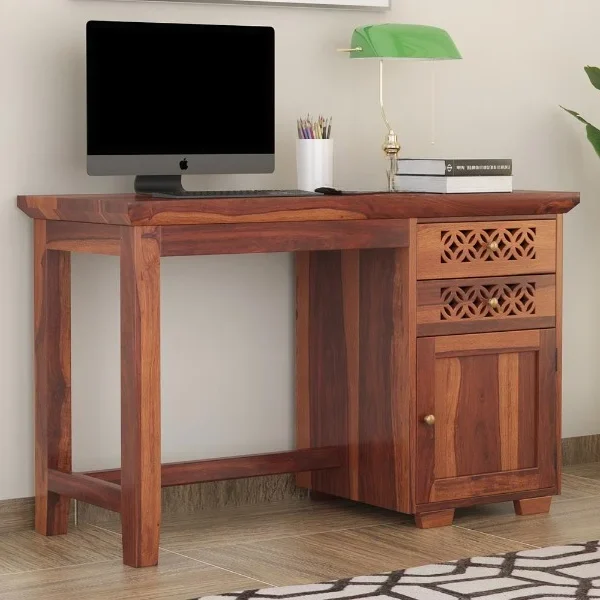
Kids usually have a lot more than just books, they need space for stationery, school supplies, and everyday study essentials. When a study table for kids lacks proper storage, it quickly turns messy and cluttered, which can negatively impact focus and productivity.
What to do instead:
Choose a study table with built-in storage such as:
- Drawers
- Open shelves
- Compartments
An organized table helps create an organized mind.
4. Overlooking Ergonomics
Ergonomics is one of the most crucial yet often overlooked factors when buying a study table for kids. Many parents focus on design or price but ignore how the table actually supports a child’s body during long study hours. A non-ergonomic setup can lead to back pain, eye strain, and poor sitting habits, which may affect both health and concentration over time. Choosing an ergonomically designed study table, paired with a comfortable chair and proper lighting, ensures that your child maintains the right posture, stays comfortable, and can focus better without unnecessary physical stress.
What to do instead:
Pair the study table with a comfortable chair that supports the spine.
Make sure:
- The chair height matches the table
- The backrest supports posture
- Lighting is adequate
5. Buying Without Considering Space
Many parents make the mistake of purchasing a large study table for kids without properly measuring the available space in the room. While a bigger table may seem like a better option, it can make the room feel cramped and restrict movement, creating a cluttered and uncomfortable environment. This not only affects the overall aesthetics of the space but can also impact a child’s ability to focus. Instead, it’s important to choose a study table that fits well within the room, allows easy movement, and complements the layout, ensuring a balanced, functional, and stress-free study area.
What to do instead:
Evaluate your available space before buying:
- For small rooms, go for foldable study tables for kids
- Consider wall-mounted or compact designs
- Ensure enough space for movement
6. Ignoring Material and Durability
Children use study tables daily, and low-quality materials wear out quickly.
What to do instead:
Invest in durable materials like solid wood, which offer:
- Long-lasting performance
- Better stability
- A premium look
A sturdy wooden study table is a one-time investment that can last for years.
7. Not Involving Your Child in the Decision
Many parents choose a study table without considering the child’s preferences.
This can result in:
- Lack of interest in using the table
- Reduced study motivation
What to do instead:
Involve your child in the selection process:
- Let them choose the design or color
- Consider their comfort and habits
When kids feel ownership, they’re more likely to use the table regularly.
8. Ignoring Future Needs
Kids grow quickly, and their needs change.
Buying a very small or basic table may require replacement within a year or two.
What to do instead:
Choose a study table that:
- Can adapt as your child grows
- Has enough space for future needs
- Offers long-term usability
9. Poor Placement in the Room
Even the best study table won’t be effective if placed incorrectly.
Common mistakes:
- Placing it in noisy areas
- Poor lighting
- Facing distractions like TV
What to do instead:
- Place the table in a quiet, well-lit corner
- Ensure proper natural or artificial lighting
- Keep distractions minimal
10. Focusing Only on Price
While budget matters, choosing the cheapest option often leads to compromise in quality and comfort.
What to do instead:
Think of a study table as an investment in your child’s future.
Balance price, quality, and functionality rather than focusing on cost alone.
How to Choose the Right Study Table for Kids (Quick Checklist)
Before making your purchase, ensure the table:
- Matches your child’s height
- Has enough storage
- Fits your room space
- Is made from durable material
- Supports good posture
- Is comfortable and functional
Final Thoughts
Buying a study table for kids is not just about filling a corner in the room—it’s about creating a space where your child can learn, grow, and thrive.
By avoiding these common mistakes, you can make a smarter decision that supports your child’s comfort, productivity, and overall development.
A well-chosen study table becomes more than furniture, it becomes a foundation for better learning habits.
FAQs
What is the best age for a kid to use a study table?
Children can start using a study table as early as 3–4 years old, especially when they begin preschool or early learning activities. At this stage, a small, comfortable table helps build discipline and a study routine.
What to keep on a study table as per vastu?
As per Vastu guidelines:
- Keep the table clutter-free
- Place books in the east or north direction
- Use a study lamp in the southeast
- Avoid placing mirrors directly in front of the table
A clean and organized study space promotes better focus and positive energy.
Which type of study table is best for students?
The best study table depends on the child’s needs, but generally:
- Wooden study tables are durable and long-lasting
- Foldable study tables are ideal for small spaces
- Study tables with storage help keep things organized
Choose one that balances comfort, storage, and space.
What makes a good study table?
A good study table should:
- Be ergonomically designed
- Offer enough space and storage
- Be sturdy and durable
- Fit the child’s height and room
Buying Study Table for Kids
For more info, contact: support@gadwalfurniture.com
Follow our Instagram : Gadwal Furnitureure