Blog
Wooden vs Plastic Furniture for Kids’ Rooms: Which Is Safer? (2026 Guide)

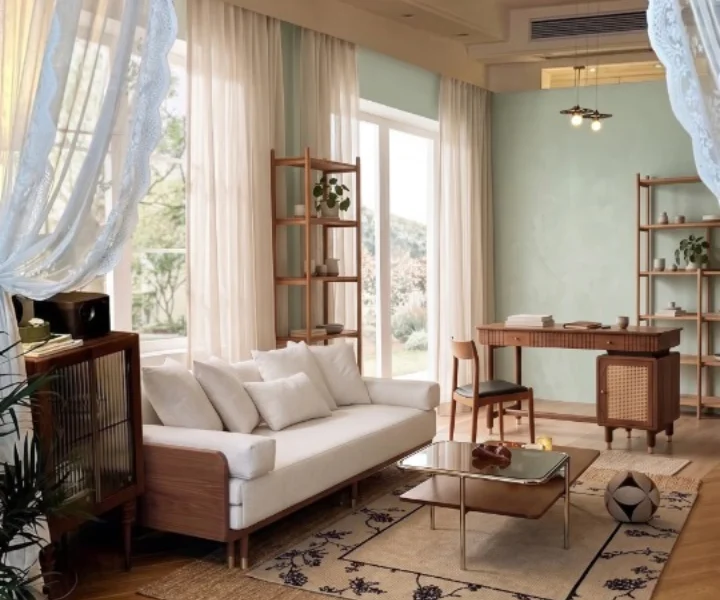
If you’ve spent any time scrolling through kids’ furniture options, you’ve probably noticed the internet doesn’t really agree with itself on this one. Half the blogs say wood is the obvious winner. The other half swear by plastic because it’s lighter and won’t hurt if it falls on a toe. Neither side usually gets specific enough to actually help you decide.
So let’s actually get into it not “wood feels nicer” or “plastic is easier to clean,” but the stuff that matters when there’s a two-year-old climbing on a bookshelf or chewing on a stool leg.
So, Which One’s Actually Safer? (Quick Answer)
For most kids’ rooms, good-quality solid wood furniture is the safer long-term choice mainly because of what it doesn’t have (no BPA, no phthalates, no UV-driven brittleness) and because its weight keeps it from tipping over as easily. Plastic isn’t unsafe by default, but it ages badly in heat and sun, and a lot of what’s sold as “kids furniture” in India is actually MDF or particleboard dressed up to look like solid wood, which brings its own chemical baggage.
The honest answer, though, is: it depends on what the furniture is actually made of, how old your child is, and whether it’s set up properly. Let’s break that down.
The Comparison, Side by Side
| Safety Factor | Solid Wood | Plastic | MDF / Particleboard |
|---|---|---|---|
| Chemical exposure | Low, if finished with water-based/non-toxic coatings | Depends on grade — cheap plastic may have BPA or phthalates | Formaldehyde-based adhesives are common |
| Tip-over risk | Lower — weight keeps it grounded | Higher — light enough for a climbing toddler to pull over | Similar to wood but can weaken with moisture |
| Edge safety | Depends on finishing (should be rounded, sanded smooth) | Usually molded with rounded corners | Same as wood, but edges chip more easily |
| Heat/sun tolerance (Indian summers) | Handles heat well, may need occasional polish | Can warp, fade, and turn brittle over 2-3 years | Can swell or delaminate in humidity |
| Pest resistance | Depends on wood type — needs treatment for termites | Not affected by termites | Not affected by termites, but weak to moisture |
| Longevity/repairability | Can be sanded, repaired, refinished for years | Cracks or breaks are usually permanent | Hard to repair once chipped or swollen |
| Weight for young kids to move | Heavy — a plus for stability, minus for rearranging | Very light, easy for a child to shift or knock into things | Moderately heavy |
Notice how “MDF” gets its own column here. Most comparisons lump it in with “wood,” which isn’t fair to either side engineered wood behaves very differently from solid timber, especially where children are involved.
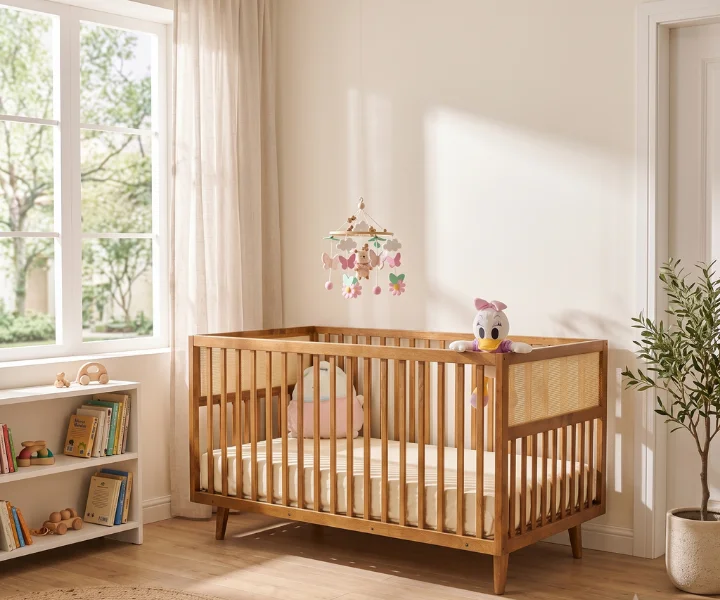
Let’s Talk Chemicals First — Because That’s the Part Nobody Explains Properly
This is the bit most “wood vs plastic” articles skip past with a single vague line about “check for non-toxic materials.” Here’s what’s actually going on.
Cheaper plastics can contain BPA and phthalates chemicals added to make plastic flexible or durable, which have been linked to hormonal effects, especially relevant for a child who’s teething, chewing on furniture edges, or just putting their hands in their mouth constantly (which, let’s be honest, is most kids under four). Reputable brands now advertise BPA-free plastic, but “BPA-free” isn’t a guarantee of everything else being fine always worth checking what standard the product is actually certified against, rather than taking the label at face value.
On the wood side, the wood itself isn’t the risk, the finish and the glue are. A dresser made from actual solid wood with a water-based, low-VOC finish is about as chemically inert as furniture gets. But a huge share of “wooden” furniture sold in India is actually particleboard or MDF: wood dust and shavings pressed together with adhesives, many of which are formaldehyde-based. Formaldehyde off-gasses slowly over months and years, and in a small, closed bedroom, that matters more than people realize. This is one reason solid wood, no MDF, no particleboard, tends to come out ahead: there’s simply nothing to off-gas.
The Bigger Danger Isn’t the Material, It’s Tipping Over
Here’s something that barely gets a mention in most of these comparisons, and it’s arguably the biggest real-world risk in any kids’ room: furniture tipping over onto a child.
Toddlers climb. They open a drawer, use it as a step, and pull themselves up the front of a dresser or bookshelf to reach something on top. Lightweight furniture, plastic shelving units, hollow-core storage, anything that isn’t anchored, is far more likely to topple in exactly this situation. Heavier, solid wood pieces are inherently more resistant to this simply because of their mass and lower center of gravity, especially when they’re built with a wider base.
That said, weight alone isn’t a fix. Any tall furniture, wood or plastic, in a child’s room should be wall-anchored using an anti-tip strap or bracket. It’s a five-minute job that removes the single biggest structural risk in the room, regardless of which material you went with.
What Indian Summers and Monsoons Do to Each Material
This part rarely comes up in furniture safety articles because so many of them are written for cooler climates. It matters a lot here.
Delhi summers push surface temperatures on furniture near a window well past what most plastics are rated to handle comfortably for years on end. Over time, UV exposure and heat make plastic furniture brittle the same qualities that made it “safe” when new (flexible, rounded, forgiving) start to reverse. A plastic stool that flexed harmlessly under a toddler’s weight two years ago can develop stress cracks and snap unexpectedly, sometimes leaving sharp broken edges exactly where a child’s hand or knee lands.
Wood has its own seasonal enemy: humidity and termites, especially through monsoon months. Untreated or poorly finished wood can swell, warp, or attract borers over a few humid seasons. This is really a case for checking what you’re buying rather than avoiding wood altogether, solid wood with proper seasoning and a termite treatment (ideally backed by an actual warranty, not just a claim on a product page) holds up through Indian weather cycles far better than either untreated wood or budget plastic.
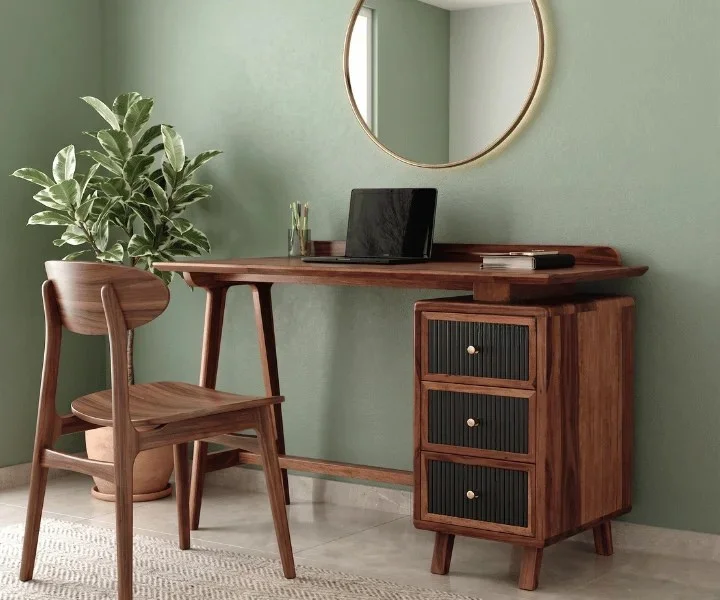
Does Age Change the Answer? (Yes, a Lot)
Infants and young toddlers (0-3): Lighter, rounded plastic stools or step stools genuinely make sense here low fall height, easy to move, and a fall onto plastic at this height rarely causes serious injury. This is really the age bracket where plastic’s safety case is strongest.
Toddlers to early school age (3-7): This is peak climbing and testing-boundaries age, and it’s exactly when tip-over risk spikes. Solid, anchored wooden furniture, bookshelves, dressers, study tables, is the safer call here, since the child is heavy enough to topple light furniture but not yet careful enough to avoid climbing it.
School age and up (7+): Furniture takes more daily wear, books stacked on shelves, chairs dragged around, desks used for hours of homework. Solid wood holds its structural integrity under this kind of repeated stress noticeably better than plastic, which tends to show fatigue at joints and hinges first.
The Checklist to Actually Use Before You Buy
Rather than picking a material and hoping for the best, it helps to actually check a few things on the product itself:
Ask what’s under the finish. “Wooden” on a label doesn’t tell you if it’s solid wood, plywood, or particleboard ask directly, or check the product description for “MDF,” “engineered wood,” or “particleboard.”
Look for a stated finish type. Water-based or low-VOC finishes are the safer bet over solvent-based lacquers, especially in a room where a child sleeps for 10+ hours a night.
Check edge treatment, not just edge shape. Rounded corners only help if they’re actually sanded smooth, run a hand along the edge before buying, or ask for a close-up if buying online.
Confirm base width relative to height. A tall, narrow-based unit is a tip-over risk no matter what it’s made of.
Ask about pest/termite protection, especially for solid wood pieces that’ll live in the room for years and whether that protection comes with any kind of warranty.
Check the weight rating, particularly for stools, chairs, and step furniture kids will stand on, not just sit on.
When Plastic Genuinely Wins
It’s worth saying plainly: plastic isn’t the “worse” material across the board, and treating this as wood-good-plastic-bad would be its own kind of oversimplification. Plastic is the better call for bath stools and step stools (water resistance matters more than chemical inertness there), for furniture that needs to move rooms constantly, for outdoor play furniture exposed to rain, and for very young toddlers where low weight and soft edges reduce injury from an inevitable tumble.
So What’s the Verdict?
For the furniture that actually lives in a child’s bedroom long-term, beds, dressers, bookshelves, study tables, wardrobes, solid wood comes out ahead on the things that matter most for safety: no chemical off-gassing, better resistance to tipping, and a build that survives Indian heat and humidity rather than degrading under it. The catch is that this only holds true for genuine solid wood with a proper non-toxic finish and termite protection, not MDF dressed up to look the part.
Plastic still earns its place for specific pieces, step stools, bath furniture, anything that needs to be light and mobile, particularly for kids under three.
If you’re furnishing a room from scratch, the practical approach most parents land on is a mix: solid wood for the permanent, structural pieces, and a few lightweight plastic items for the things that genuinely benefit from being easy to move.
FAQs
Is wooden furniture safer than plastic for kids?
For long-term bedroom furniture like dressers, beds, and shelves, solid wood is generally safer, it’s heavier (lower tip-over risk), doesn’t off-gas chemicals when properly finished, and holds up better to Indian heat and humidity. Plastic can be safer for lightweight, low-height items like step stools for very young children.
Does plastic furniture contain harmful chemicals?
Some plastic furniture, particularly lower-cost options, can contain BPA or phthalates. Look specifically for BPA-free labeling and, where possible, check what safety standard the certification is based on rather than taking the label alone as proof.
What is the tip-over risk with kids’ furniture?
Tall, lightweight furniture, dressers, bookshelves, storage units, can topple if a child climbs or pulls on it, and this is one of the more serious, under-discussed risks in a child’s room. Anchoring furniture to the wall with an anti-tip strap significantly reduces this risk regardless of the material.
Is MDF furniture bad for kids’ rooms?
MDF and particleboard use formaldehyde-based adhesives that can off-gas slowly over time, which matters more in a small, enclosed bedroom where a child spends many hours sleeping. Solid wood avoids this issue entirely since there’s no engineered board or adhesive involved.
How does Indian weather affect kids’ furniture safety?
Heat and UV exposure make plastic furniture brittle over 2-3 years, increasing the risk of cracks and sharp broken edges. Humidity and monsoon conditions can cause untreated wood to warp or attract termites, which is why termite-treated, properly seasoned solid wood holds up better than either untreated wood or budget plastic.
What age is plastic furniture safest for?
Plastic furniture works best for children under three, where low fall height and soft, rounded edges reduce injury risk from falls, think step stools and low seating rather than climbing-height furniture.
What should I check before buying furniture for a kids’ room?
Confirm whether it’s solid wood or an engineered board like MDF, check for a water-based or low-VOC finish, run a hand along edges to check they’re actually sanded smooth, look at the base width relative to height for tip-over risk, and ask about pest protection and warranty coverage for wood pieces.
For more info, contact: support@gadwalfurniture.com
Follow our Instagram : Gadwal Furniture