Blog
Solid Wood vs Engineered Wood Bedside Tables: Which Is Better for Your Home?

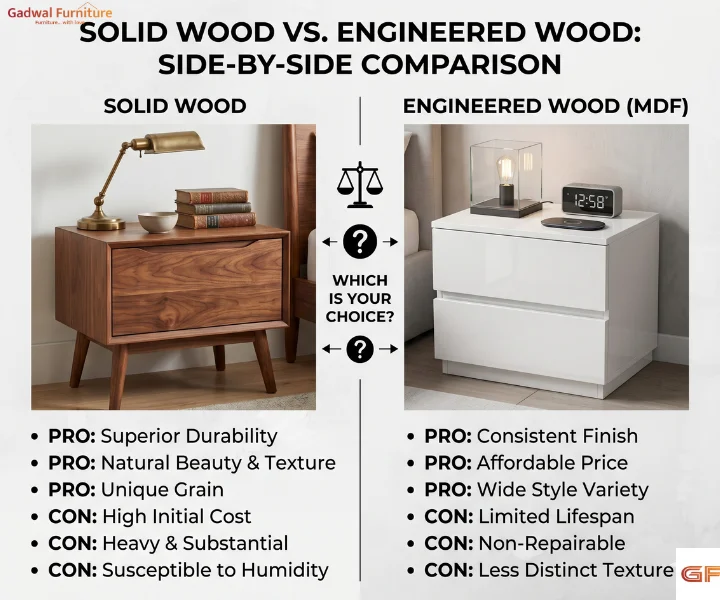
You’ve been scrolling through furniture websites for hours. One tab has a sleek-looking bedside table for ₹3,000. Another has a solid Sheesham wood bedside table for ₹8,000. Both look great in the photos, but which one will actually last? And which one is worth your money?
If you’ve ever felt confused between a wooden bedside table and an engineered wood bedside table, you’re not alone. It’s one of the most common dilemmas Indian homeowners face when buying furniture online. The price difference is real, but so is the difference in quality, lifespan, and long-term value.
This guide breaks it all down, honestly, clearly, and without the jargon, so you can make a decision you won’t regret five years from now.
What Is Solid Wood? What Is Engineered Wood?
Before we compare, let’s get the basics right.
Solid wood is exactly what it sounds like — furniture made from natural timber, cut directly from trees. Popular choices in India include Sheesham (Indian Rosewood), Teak, Mango, and Acacia. A solid wood bedside table is crafted from a single type of natural wood throughout — no fillers, no composites.
Engineered wood, on the other hand, is a manufactured material. It’s made by binding wood fibres, chips, or veneers together with adhesives under heat and pressure. Common types include MDF (Medium Density Fibreboard), HDF, plywood, and particleboard. It’s then often finished with a laminate or veneer to mimic the look of real wood.
Both have their place in the furniture world. But they are fundamentally different, and that difference matters a lot when you’re choosing a bedside table for your bedroom.

Quick Comparison: Solid Wood vs Engineered Wood Bedside Tables
| Feature | Solid Wood (Sheesham) | Engineered Wood (MDF/Plywood) |
|---|---|---|
| Durability | Very High | Moderate |
| Lifespan | 20–50+ years | 5–10 years |
| Appearance | Natural grain, unique patina | Polished, uniform look |
| Water Resistance | Good (restorable) | Poor (swells permanently) |
| Weight | Heavier | Lighter |
| Maintenance | Occasional oiling/polishing | Low maintenance |
| Repairability | Can be sanded & refinished | Difficult to repair |
| Price (Upfront) | ₹7,000–₹12,000+ | ₹2,500–₹5,000 |
| Long-Term Cost | Lower (buy once) | Higher (repeat replacements) |
| Resale Value | Retains value | Near zero |
| Sustainability | Plantation-grown Sheesham | Uses adhesives & chemicals |
| Best For | Primary bedrooms, long-term homes | Rentals, guest rooms, tight budgets |
Head-to-Head Comparison: Solid Wood vs Engineered Wood Bedside Tables
1. Durability
Solid wood wins. A well-crafted Sheesham wood bedside table can withstand daily wear and tear for decades. The natural grain structure of solid wood gives it inherent strength. Engineered wood, while decent for light use, is more susceptible to chipping, swelling, and structural damage over time, especially with repeated use of drawers and hinges.
2. Appearance
This one’s close. Engineered wood furniture often looks polished and modern right out of the box. But solid wood has a warmth and character that engineered wood simply cannot replicate. The natural grain patterns on a wooden bedside table are unique to each piece, no two look exactly alike. Over time, solid wood develops a beautiful patina that adds to its charm.
3. Lifespan
Solid wood: 20–50+ years. Engineered wood: 5–10 years. This is perhaps the starkest difference. With basic care, a solid wood bedside table can outlast multiple home renovations. Engineered wood furniture, especially lower-grade particleboard, tends to deteriorate faster, edges peel, surfaces bubble, and joints weaken.
4. Water Resistance
Neither solid wood nor engineered wood loves water, but they fail differently. Solid wood can warp slightly with prolonged moisture exposure but can often be restored. Engineered wood — particularly MDF and particleboard, swells and crumbles when it absorbs moisture, and that damage is usually permanent. In India’s humid climate, this is a critical factor.
5. Weight
Engineered wood is generally lighter, which makes it easier to move around. Solid wood is heavier — a sign of its density and quality. For a bedside table, weight isn’t usually a dealbreaker, but it does reflect the sturdiness of the piece.
6. Maintenance
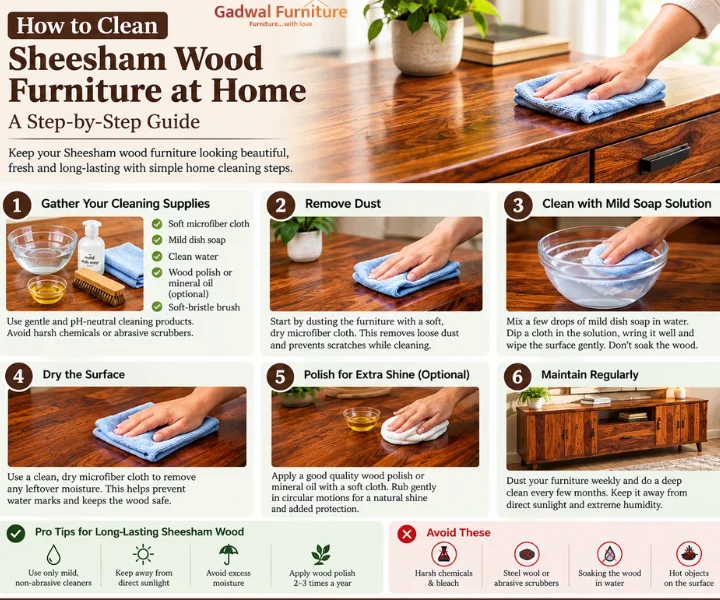
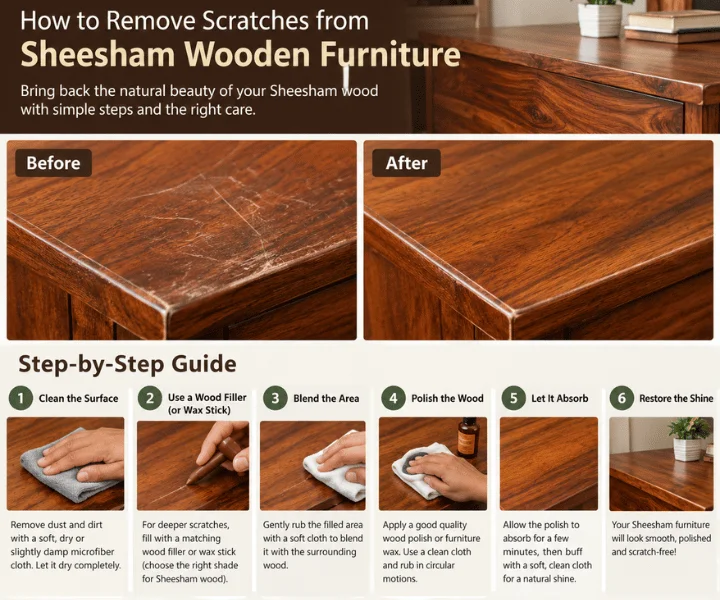
Solid wood requires occasional oiling or polishing to maintain its finish, especially in dry climates. Engineered wood is relatively low-maintenance but harder to repair. A scratch on solid wood can be sanded and refinished. A scratch on laminated engineered wood often means permanent damage.
7. Pricing
Engineered wood is cheaper upfront, often 40–60% less than solid wood. A basic engineered wood bedside table with drawers might cost ₹2,500–₹5,000. A solid Sheesham wood equivalent typically starts around ₹7,000–₹12,000. But price alone doesn’t tell the full story (more on that below).
8. Resale Value
Solid wood furniture holds its value. A well-maintained solid wood bedside table can be resold or passed down. Engineered wood furniture has virtually no resale value, it’s often discarded when it deteriorates.
9. Sustainability
This is nuanced. Engineered wood uses wood waste and offcuts, which sounds eco-friendly. But the adhesives and chemicals used in manufacturing can be harmful. Solid wood from responsibly managed forests (like Sheesham, which is plantation-grown) is a more sustainable long-term choice, especially when the furniture lasts for decades.
The Hidden Costs of Cheaper Engineered Furniture
That ₹3,000 bedside table might seem like a steal, until you factor in the full picture.
- Replacement costs: If your engineered wood table lasts 5 years, you’ll buy 4–5 of them in the time a solid wood table lasts. That ₹3,000 becomes ₹15,000+ over 20 years.
- Repair costs: Engineered wood is difficult to repair. Swollen edges, broken hinges, and peeling laminates often mean the whole piece needs replacing.
- Health concerns: Low-quality engineered wood can off-gas formaldehyde from adhesives, a concern for enclosed bedrooms.
- Aesthetic degradation: Engineered wood looks great on day one. By year three, the laminate may be peeling and the edges chipping, not the look you want in your bedroom.
When you add it all up, the bedside table price of solid wood starts to look like the smarter investment.
Why Sheesham Wood Bedside Tables Are a Long-Term Investment
Among all solid wood options, Sheesham wood (Indian Rosewood) stands out for Indian homes. Here’s why:
- Naturally dense and hard — resistant to scratches and dents
- Beautiful grain patterns — each piece is unique
- Moisture-resistant — better suited to India’s varied climate than most engineered alternatives
- Plantation-grown — a more sustainable choice
- Ages gracefully — develops a richer tone over time
A Sheesham wood bedside table isn’t just furniture, it’s a piece that becomes part of your home’s story.
Who Should Choose Engineered Wood
Engineered wood isn’t always the wrong choice. It makes sense if:
- You’re furnishing a rental property or temporary accommodation
- You’re on a very tight budget and need something functional right now
- You’re furnishing a guest room that sees minimal use
- You plan to redecorate frequently and don’t mind replacing furniture
Who Should Choose Solid Wood?
A solid wood bedside table is the right choice if:
- You’re setting up your primary bedroom and want furniture that lasts
- You value craftsmanship and natural aesthetics
- You live in a humid region (coastal cities, monsoon-heavy areas)
- You want furniture that can be repaired, refinished, and passed down
- You’re thinking long-term and want to avoid repeat purchases
Practical Buying Tips for Indian Homes
Before you buy a bedside table online, keep these India-specific factors in mind:
- Check the wood type: “Wooden” doesn’t always mean solid wood. Look for terms like “solid Sheesham,” “solid teak,” or “solid mango wood”, not just “wood finish” or “wooden look.”
- Ask about the joinery: Quality solid wood furniture uses mortise-and-tenon or dovetail joints. Engineered wood often uses screws and dowels that loosen over time.
- Consider your climate: If you’re in Mumbai, Chennai, or Kolkata, moisture resistance matters. Solid wood with a good finish handles humidity better than MDF.
- Look for a warranty: Reputable solid wood furniture brands offer longer warranties — a sign of confidence in their product.
- Think about storage: A bedside table with drawers in solid wood will have smoother, more durable drawer action over years of use compared to engineered wood alternatives.
Wooden Bedside Table Designs Worth Considering
Whether you prefer a minimalist modern look or a warm traditional aesthetic, solid wood offers incredible versatility. Popular wooden bedside table designs include:
- Single-drawer nightstand — compact and functional for smaller bedrooms
- Double-drawer bedside table — ideal for extra storage
- Open-shelf bedside table — great for displaying books or décor
- Bedside storage table with cabinet — maximum storage in a small footprint
At Gadwal Furniture, each of these designs is handcrafted from solid Sheesham wood by skilled artisans, built to last, not just to look good in a photo.
Frequently Asked Questions
Is an engineered wood bedside table good for long-term use?
Engineered wood bedside tables are suitable for light, short-term use. For long-term durability, especially in Indian climates, solid wood is a significantly better investment.
Which wood is best for a bedside table in India?
Sheesham wood (Indian Rosewood) is widely considered the best choice for bedside tables in India. It’s dense, moisture-resistant, beautifully grained, and plantation-grown.
Are solid wood bedside tables worth the price?
Yes, when you factor in lifespan, repairability, and resale value, solid wood bedside tables cost less per year of use than cheaper engineered alternatives.
How do I maintain a wooden bedside table?
Wipe with a dry or slightly damp cloth regularly. Apply furniture polish or teak oil every 6–12 months. Avoid placing wet glasses directly on the surface — use coasters.
Where can I buy a solid wood bedside table online in India?
You can explore a wide range of handcrafted Sheesham wood bedside tables at Gadwal Furniture, with free delivery across India and a strong warranty on all solid wood pieces.
What is the difference between a nightstand and a bedside table?
They’re essentially the same thing, “nightstand” is the American term, while “bedside table” is more commonly used in India and the UK. Both refer to the small table placed beside your bed.
Also Read: What is the difference between a bedside table and a night table?
Which Should You Choose?
Here’s the honest answer: it depends on what you’re optimising for.
If budget is your primary constraint right now and you need something functional for a temporary space, engineered wood gets the job done. There’s no shame in that.
But if you’re setting up your home, your real, long-term home, and you want a bedside table for your bedroom that will still look beautiful a decade from now, solid wood is the clear winner. A Sheesham wood bedside table isn’t just a purchase. It’s a decision to invest in quality, craftsmanship, and something that genuinely lasts.
In a world of fast furniture and fleeting trends, there’s something deeply satisfying about owning a piece of furniture that only gets better with age. That’s the promise of solid wood, and it’s a promise that engineered wood simply cannot keep.
Explore Wooden Bedside Table
For more info, contact: support@gadwalfurniture.com
Follow our Instagram : Gadwal Furniture